In-hole accessories are the tools that get lowered into a blast hole during loading to manage what happens inside the hole — sealing breakthroughs, holding charge columns, centering boosters, anchoring primers, or containing product in cracked or wet ground. They're not stemming plugs and they're not measuring tools. They're the supporting kit that decides whether the loaded column behaves the way the shot design intended.
MTi GROUP's range covers five in-hole accessory product families — inflatable plugs, bristle column retainers, fillable polypropylene bags, booster centralizers, and anti-flotation locks. Hole size coverage runs from 2.5 inches (64 mm) through to 8 inches (203 mm), and every product in the collection is non-sparking.
What Goes Wrong Inside the Hole
Loading the hole is where the drill plan turns into a real, charged shot — and where most blast problems start.
- Emulsion slumps back down in upholes during charging, wasting product and dropping collar height
- Wet holes and breakthroughs let loose ANFO get diluted or lost into voids
- Cracks and irregular ground swallow free-flowing product before the column finishes
- Boosters drift off-center in the column, reducing detonation efficiency
- Pumpable explosives float boosters in wet holes, putting the primer at the wrong depth
How In-Hole Accessories Fix Those Problems
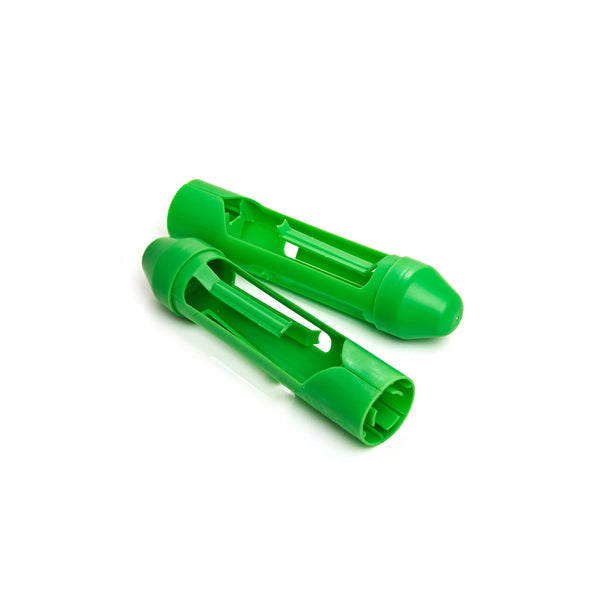
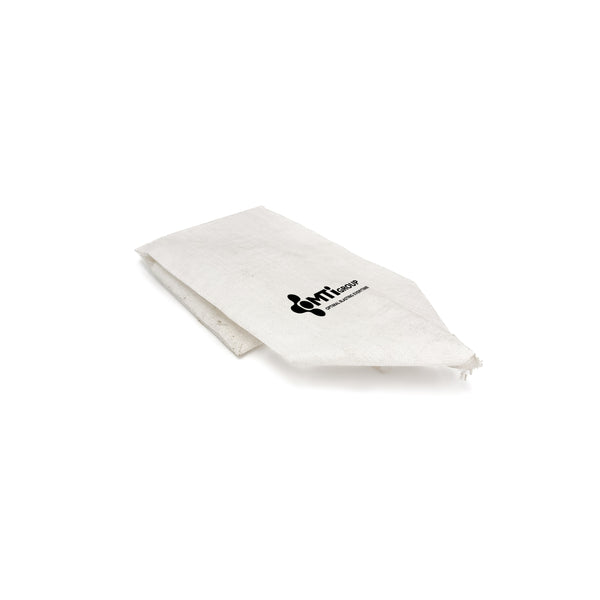
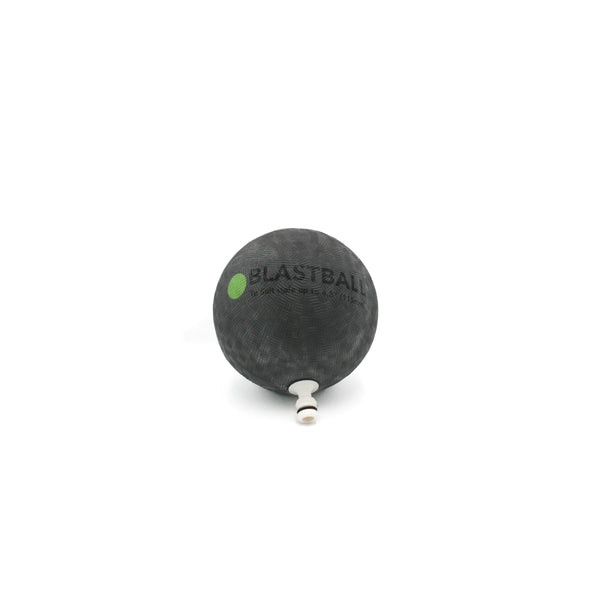
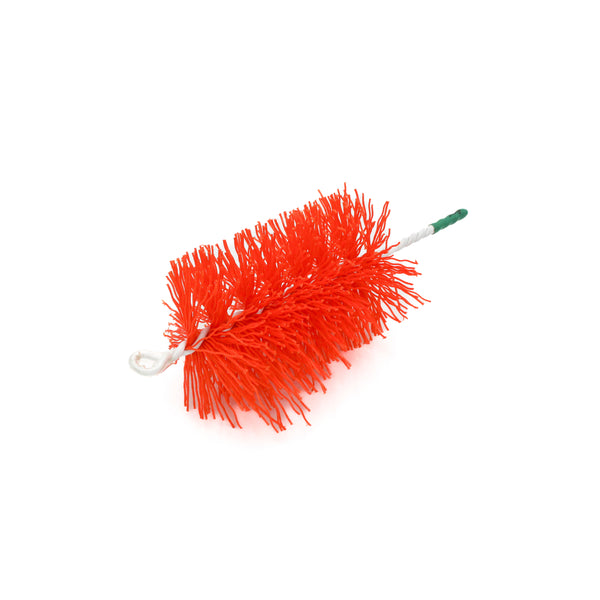
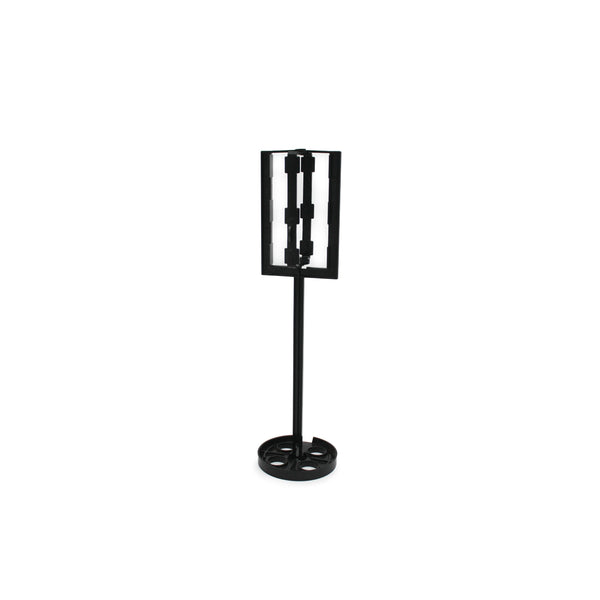
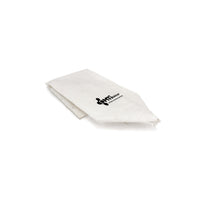
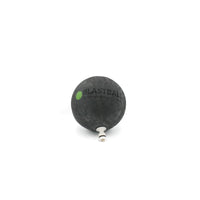
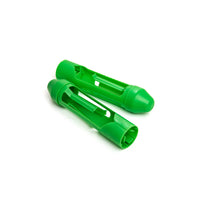
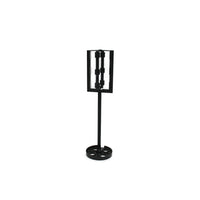
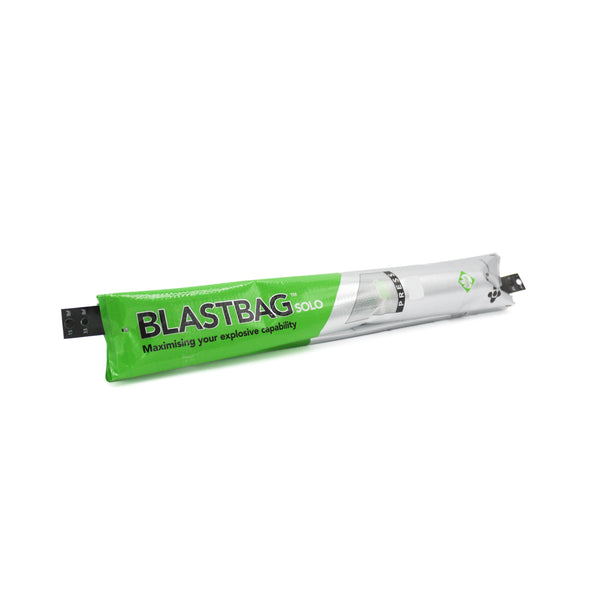
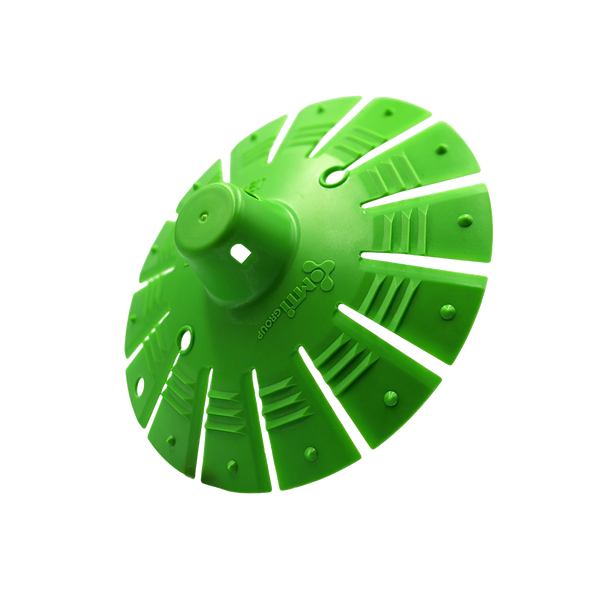
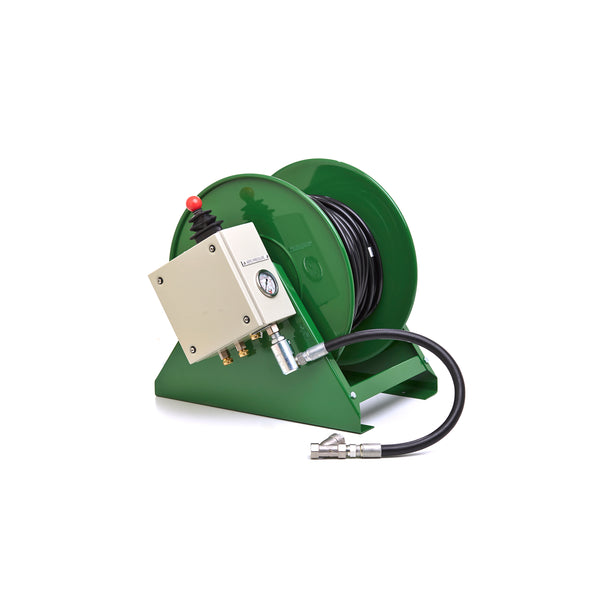
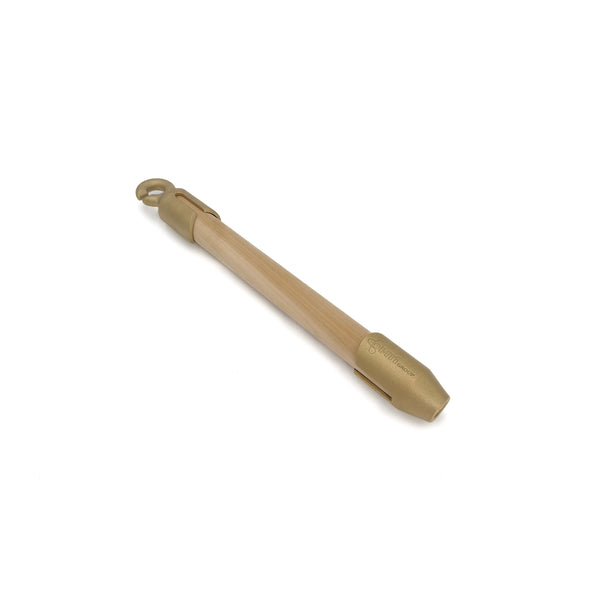
Each accessory does one job inside the hole. The BLASTBALL™ inflates with compressed air against the hole wall to seal a breakthrough or a wet-hole bottom before the charge goes in. The SLUMPSTOPPA™ uses polymer bristles to hold an emulsion column in place during loading while letting the explosive gas through normally. Shot Bags are empty polypropylene tubes you fill on site with ANFO, emulsion, or stemming material — turning loose product into a contained, weighted unit that holds in cracked or wet ground. MultiFit Spiders center the booster in the explosive column so detonation propagates evenly. Booster Locks anchor the booster against flotation when pumpable explosives or water are present.
Why Non-Sparking Matters
Every product in this collection is non-sparking by design — polymer, polyurethane, polypropylene, lead, or copper alloy. Nothing in the hole is steel. Tools loaded with or near live explosives have to meet non-sparking standards (OSHA 1910.109), and these accessories are built to that bar without compromise.