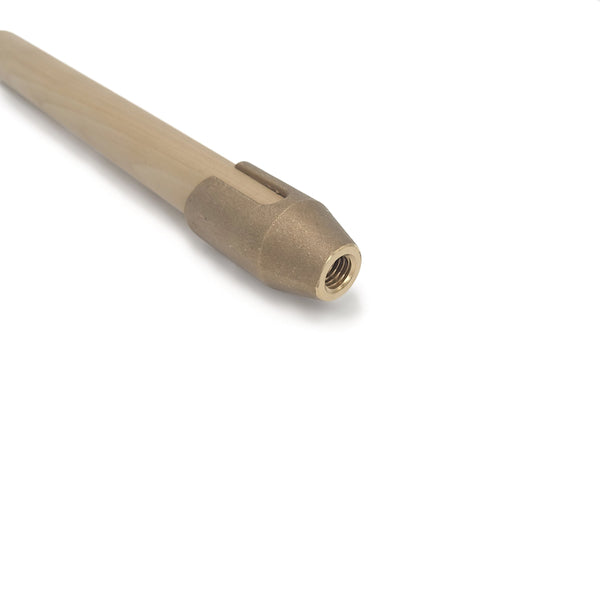
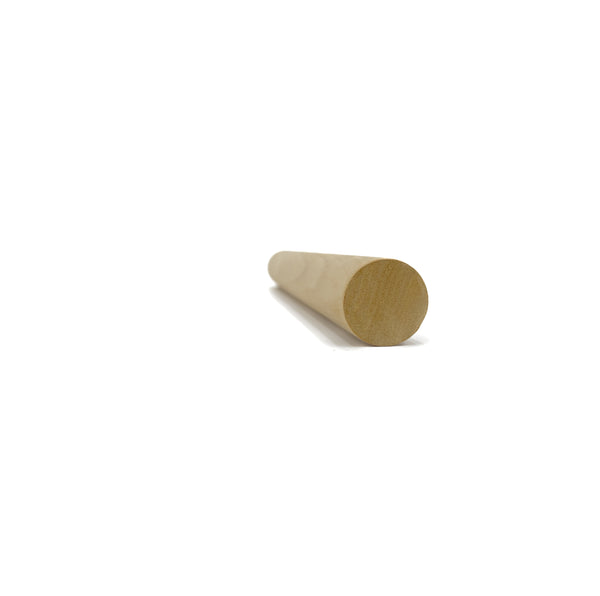
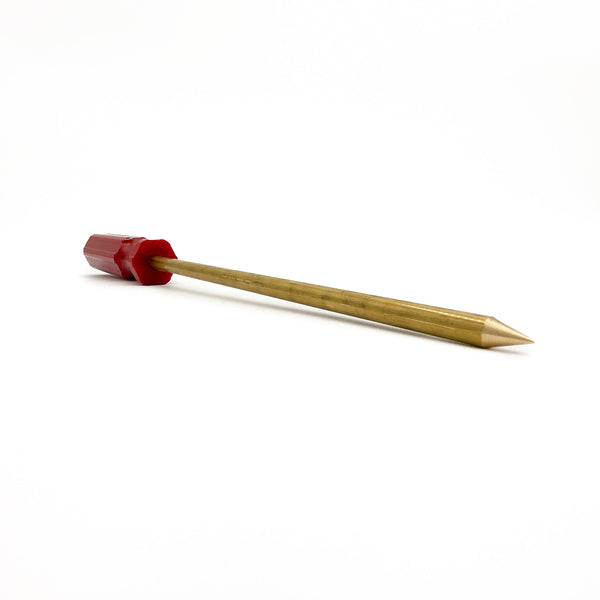
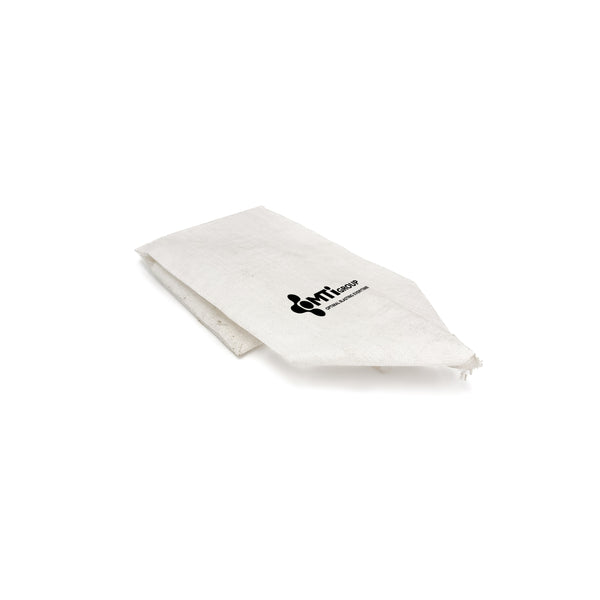
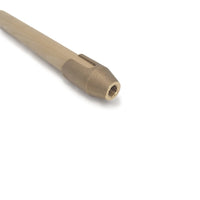
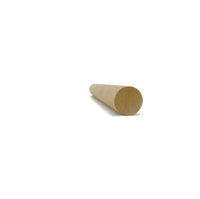
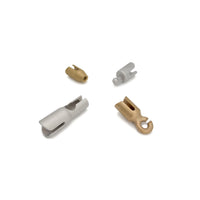
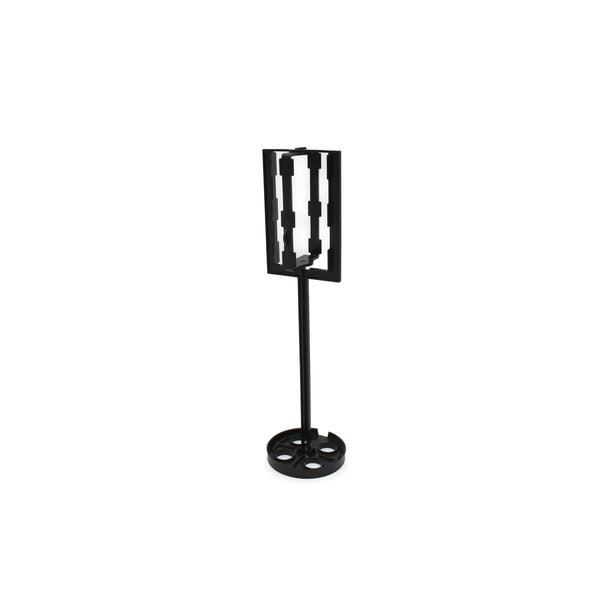
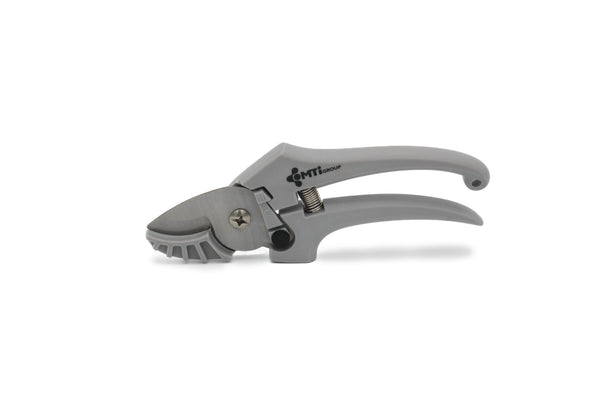
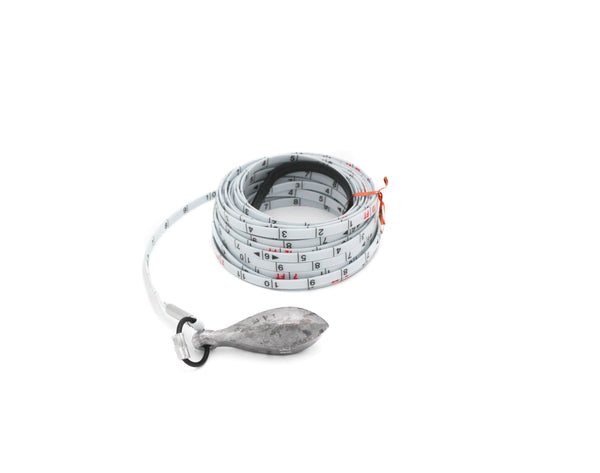
| Primary Use | Loading explosives, extending poles, keeping hands back from the collar | Building or replacing a pole | Adding a hook or extension to a pole | Bagged charge in wet/cracked holes OR weighted stemming column | Pushing packaged explosives, sealing during loading, or compacting stemming | Retrieving stuck BLASTBAGs, explosives, downlines | Making the cap hole in a cartridge before the blasting cap goes in |
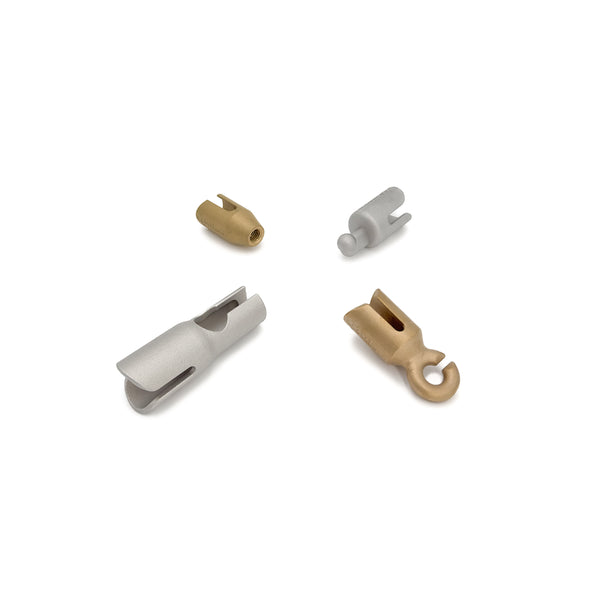
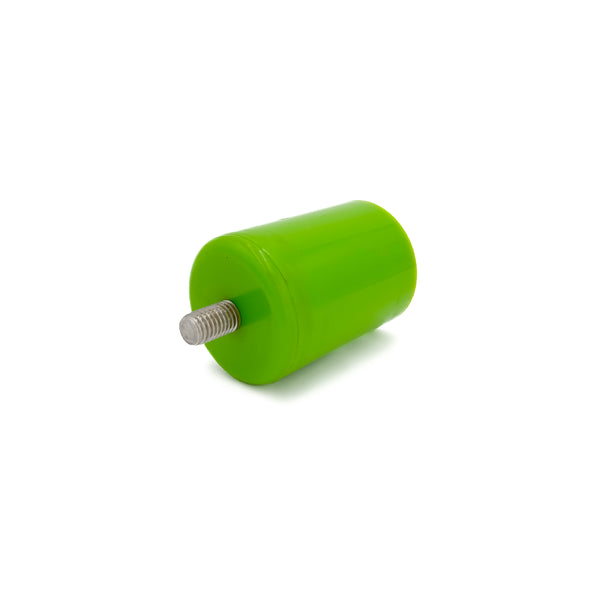
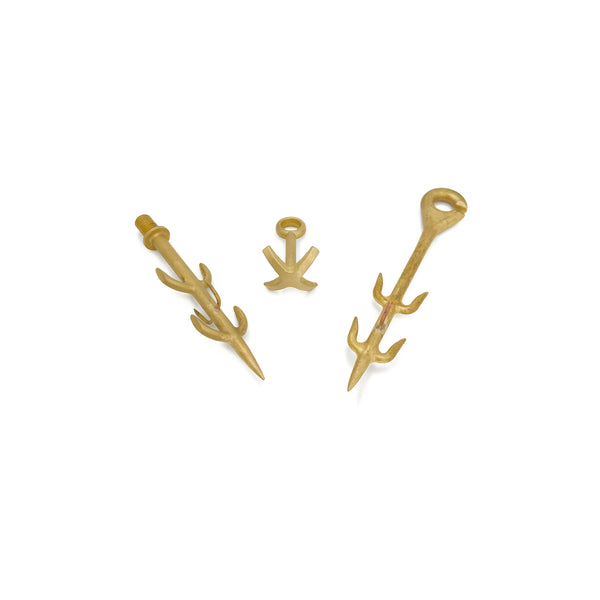
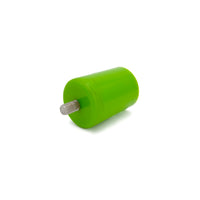
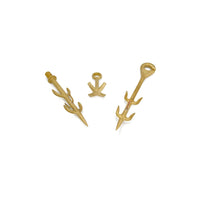
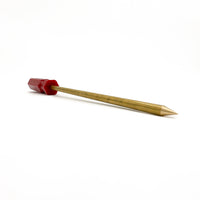
| Main Material | Poplar wood + copper alloy + aluminum | Kiln-dried poplar wood | Copper alloy (C-Hook, Threaded); aluminum (Ball, Socket) | Polypropylene | Polyurethane + stainless 5/8" thread | Copper alloy, non-sparking | Solid brass, non-sparking |
| Connects To | Used as-is; Ball/Socket combos link to other poles | Accepts any MTi Load Pole End via aluminum rivet pin | Any 1-1/4" (32 mm) load pole | Filled on site with ANFO, emulsion, or stemming material | Threaded Load Pole End | C-Hook or 5/8" Threaded End, or tethered to a downline | Hand tool — not used with a load pole |
| Sizes Available | 5, 8, 10, 12 ft (1.5, 2.4, 3.0, 3.7 m) with multiple end combos | 5, 8, 10, 12 ft (1.5, 2.4, 3.0, 3.7 m); 1-1/4" / 32 mm dia | One size each: C-Hook, Threaded female, Ball, Socket | 3" – 8" diameter (76 – 203 mm), 36" or 48" lengths (914 / 1,219 mm) | 2" (51 mm) and 3" (76 mm) plug diameters | Three versions: C-Hook (01-303), Threaded (01-304), Anchor (01-300) | 8" (203 mm) length, single size |
| Non-Sparking | Yes | Yes (wood) | Yes | Yes | Yes | Yes | Yes |
| Best Seller | Yes | No | No | Yes (OP) | Yes | Yes | Yes |
| Use Case Fit | Crews that want a ready-to-load pole, no assembly | Crews replacing pole stock or building custom setups | Crews replacing a worn end or adding capability | Wet, cracked, or irregular holes | Crews running a threaded pole | Crews retrieving stuck gear | Crews priming cartridge explosives; required under OSHA 1910.109 |