





Presplit Blasting: What It Is & Why It Matters
3 min readIf you’ve ever finished a shot and found the wall behind more damaged than you planned, you’re not alone. Pre‑split blasting is a simple technique that helps deliver a clean, stable face, saving time and reducing risk.
What is Pre‑Split Blasting?
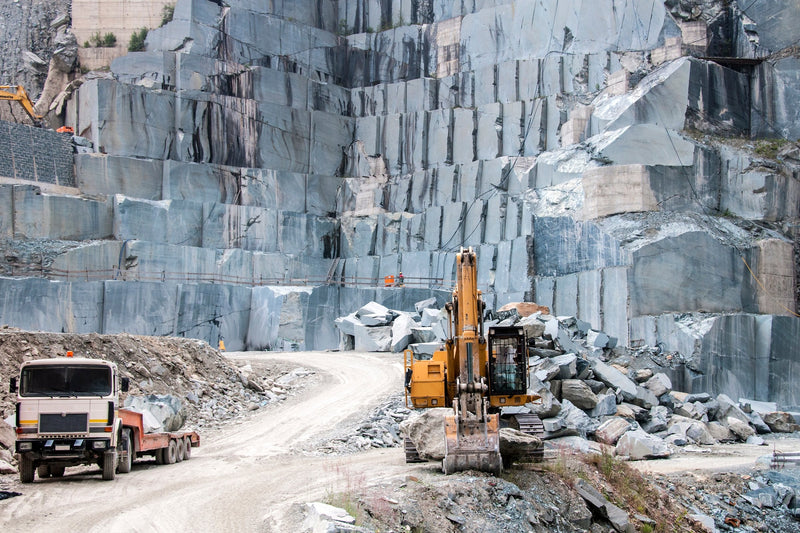
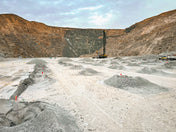
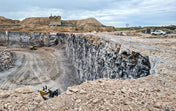
Pre‑split blasting uses a row of closely spaced, lightly charged holes along the final cut line. These holes are fired just before or on the first delay of the main blast. By creating a breakage plane, they allow gases to vent and reduce crack propagation into the final wall.
Why Use It – The Benefits
- Reduces overbreak: The pre‑split fracture plane protects the final wall from the main blast energy.
- Improves wall stability: A defined split line helps keep the remaining rock intact.
- Can cut vibration: Pre‑splitting allows energy to vent, lowering vibration and damage to nearby structures.
- Better control in weak rock: In less competent rock, a pre‑split provides a buffer to prevent uncontrolled fracturing.

When to Use (and When Not)
Use pre‑split blasting when:
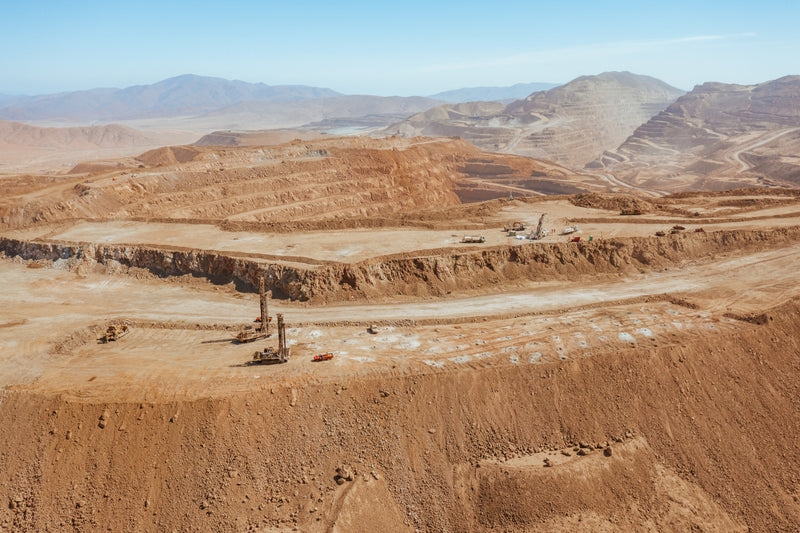
- You need a clean final wall in an open pit, quarry bench, or civil cut.
- The rock is competent and well‑consolidated.
- You want to minimize back‑break for safety and stability.
Avoid or rethink it when:
- The rock is heavily fractured or weak; a clean fracture plane may be hard to form.
- Drilling accuracy or spacing cannot be maintained.
- Costs outweigh benefits on smaller or non‑critical walls.

Common Mistakes & Quick Tips
Mistakes:
- Holes too far apart or too big – no continuous crack.
- Charges too heavy – causes extra damage.
- Poor alignment – the fracture plane misses the design line.
- Firing pre‑split too late – loses isolation benefits.
Tips for success:
- Use smaller‑diameter holes than production holes.
- Keep spacing tight (spacing may vary based on rock type). The general rule of thumb is 10x the hole diameter. (E.g. 8" hole diameter would mean 80" between holes)
- Lightly charge or decouple the explosive from the hole wall.
- Clearly mark the final face and communicate the plan with the drill and blast crew.
MTi Products You Can Use
For accurate pre‑split drilling, try the MiTiMeasure for precise hole spacing and depth. For controlling blast energy and stemming, check out ROCKRIVETS™ and BLASTBAGS™. To protect collar integrity, consider the Collarcone / Hole Saver.
FAQ
Q: How tight should the spacing be on a pre-split row?
A: Tight enough to form one clean fracture. Most crews keep the spacing close and consistent so the split line doesn’t wander. The general rule of thumb is 10x the hole diameter. (E.g. 8" hole diameter would mean 80" between holes)
Q: Can pre‑split holes be fired with the main blast?
A: Yes. Many crews fire the pre‑split row on the first delay of the main blast; the key is to fire them just before the main energy release. The most optimal method is typically to shoot pre-split on its own, before production.
Q: Is pre‑split blasting only for open‑pit mining?
A: No. It’s common in road cuttings, civil excavations, and quarries where wall integrity matters.
-
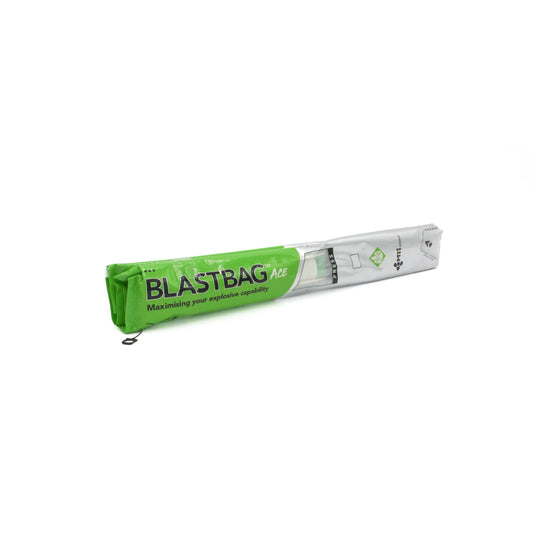
BLASTBAG™ ACE II
The non-metallic, non-dangerous goods BLASTBAG™ with push-latch inflation.
BLASTBAG™ ACE II
ChemicalThe non-metallic, non-dangerous goods BLASTBAG™ with push-latch inflation.
Vendor:MTi USA -
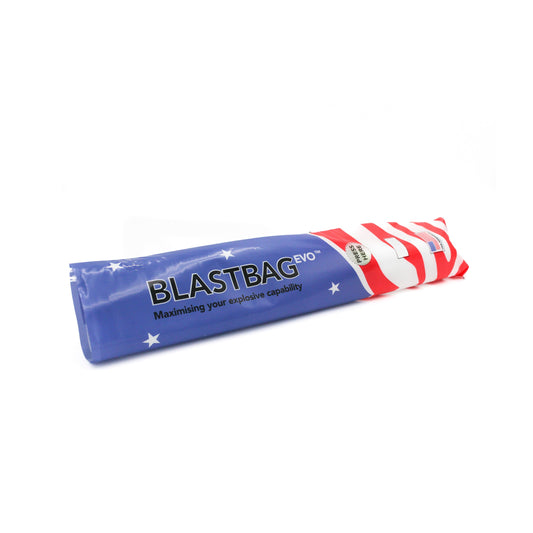
BLASTBAG™ EVO
Non-flammable aerosol BLASTBAG™. Two SKUs cover blast holes from 4" to 9 7/8".
BLASTBAG™ EVO
AerosolNon-flammable aerosol BLASTBAG™. Two SKUs cover blast holes from 4" to 9 7/8".
Vendor:MTi USA -
Best Seller
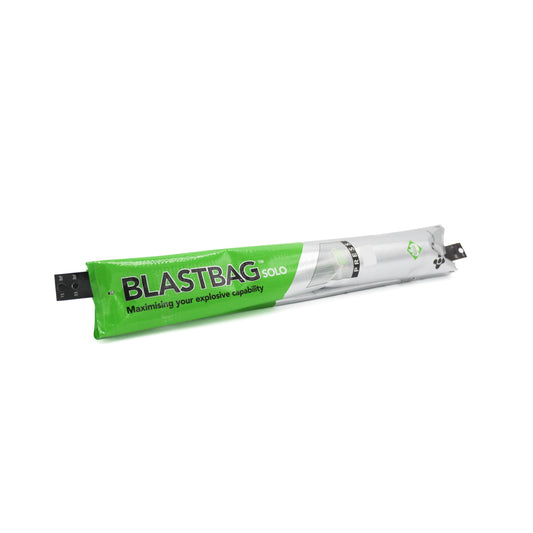
BLASTBAG™ SOLO
Most used BLASTBAG™ in the world with dual speed inflation.
-
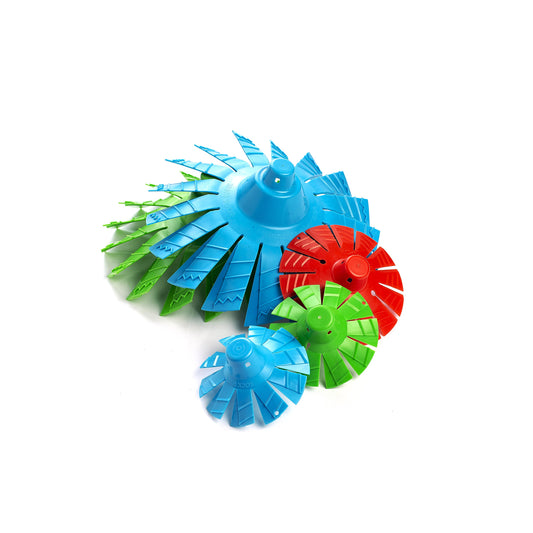
ROCKRIVETS
Friction-based retention spider plug
-
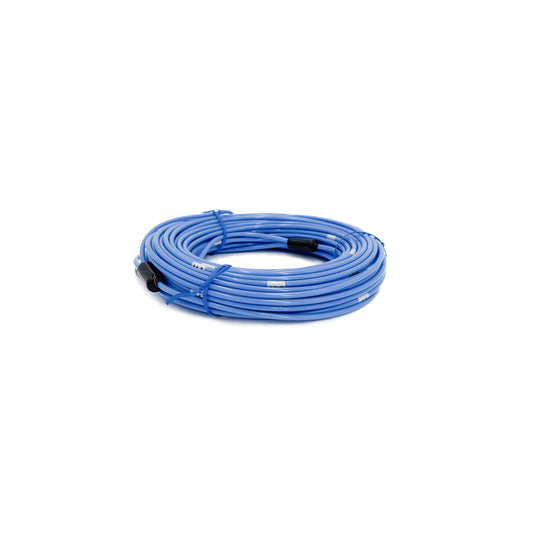
MiTiMEASURE Polyline
Precision measuring tool for any mining conditions.
-
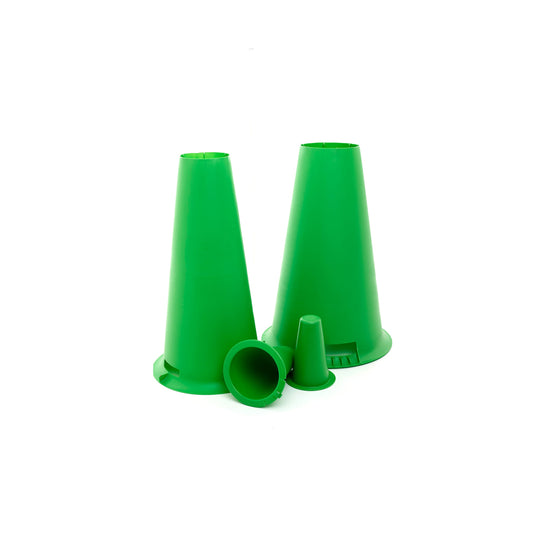
Collarcone Hole Saver
Lightweight cone that protects drill holes.
