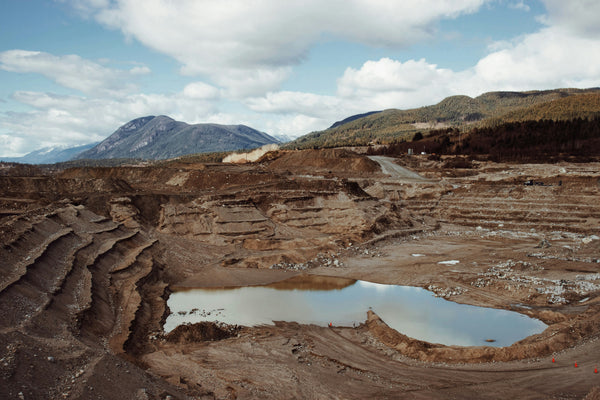
Water in the hole is where blast design goes to die. Emulsion slumps, nitrates leach, charges separate, and you end up reloading holes just to hit the powder column you designed. A blast hole liner fixes this by creating a physical barrier between your explosive and the water, soil, or fractured rock around it. Load into the liner, not into the problem.
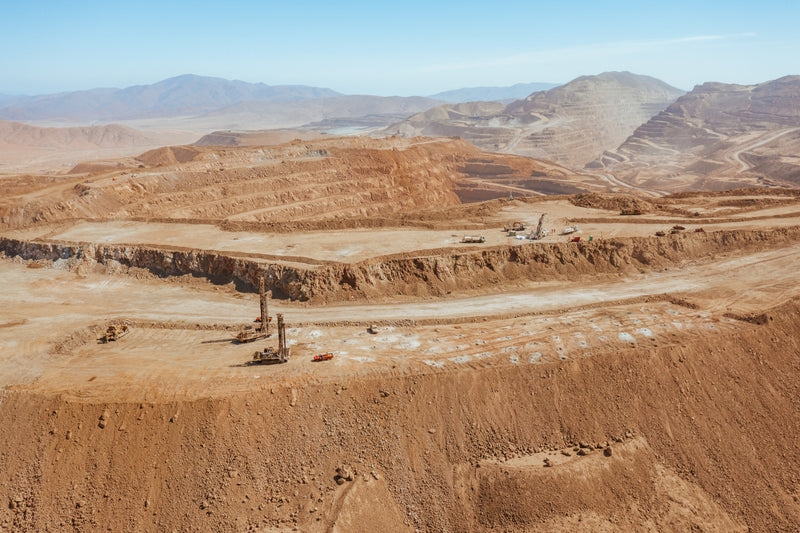
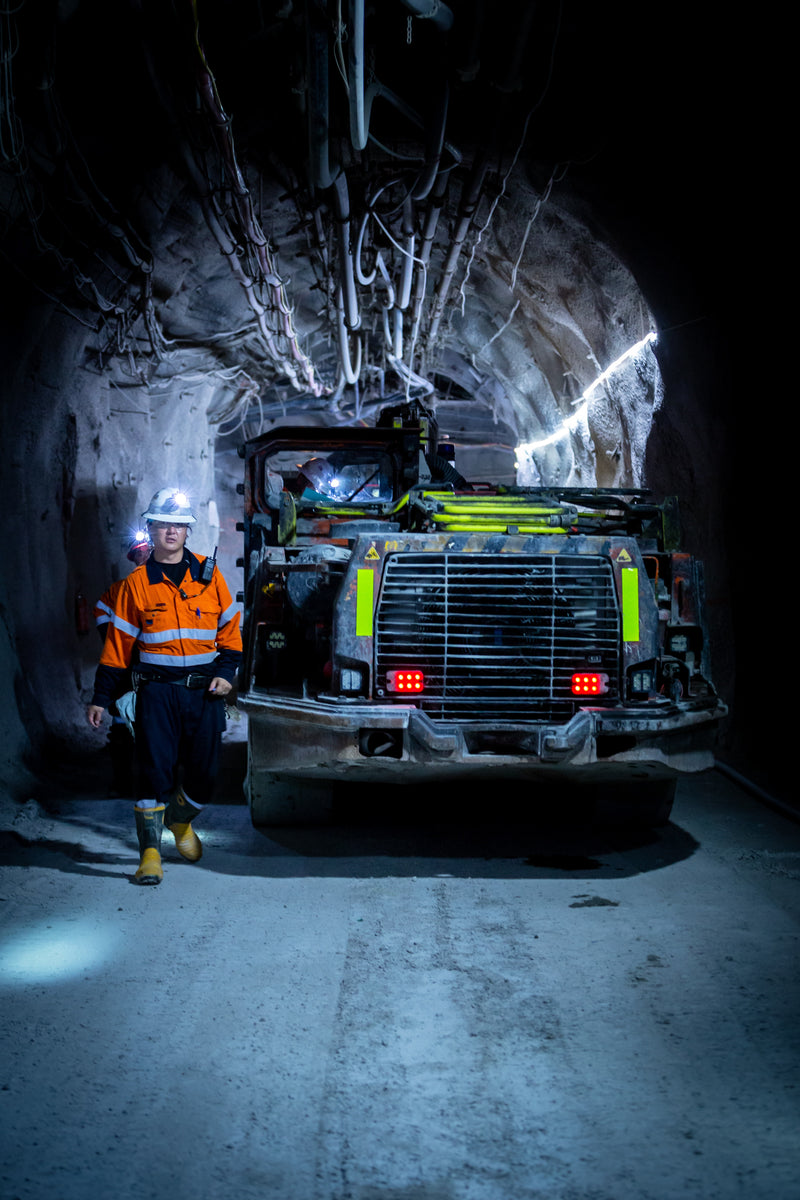
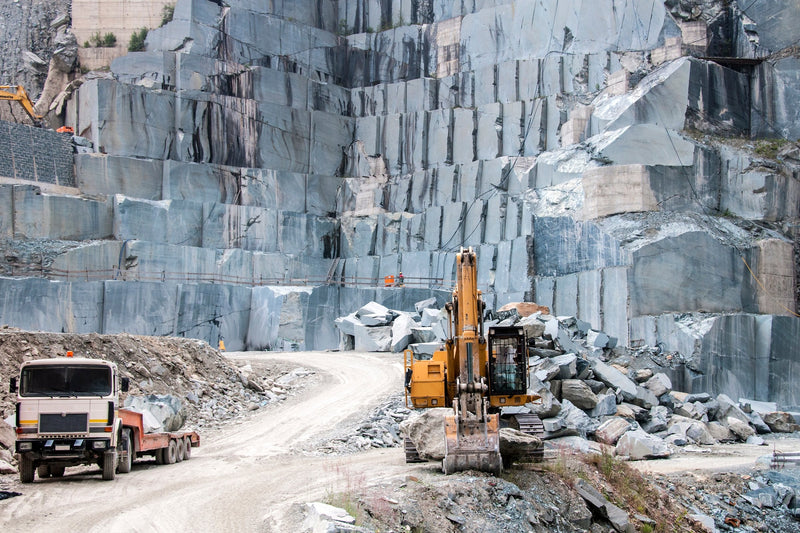
MTi's range of blasthole liners handles wet holes, dynamic water, upholes, and fractured ground across hard rock mining, quarry, and open-pit operations. Whether you're fighting monsoon-season groundwater in an underground gold mine or lining holes on a dry bench to keep nitrates from leaching, there's a liner built for the job.
What a Blasthole Liner Actually Does
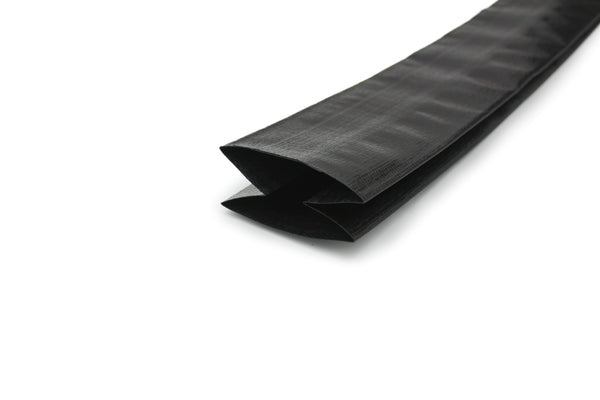
A blasthole liner is a sleeve that drops into the borehole before you charge. Once it's in, it separates your explosive from everything you don't want touching it — groundwater, wet drill cuttings, fractured seams that want to steal your product. When the shot fires, the liner disappears with the rest of the charge. What you get back is a reliable, consistent powder column firing to design.
The three things that fail without a liner in wet ground are the three things a liner fixes: emulsion slumping out of upholes, ANFO absorbing water and dying off, and the explosive charge leaking into cracks and voids. Mechanical fixes like retention plugs can't always hold back real water volume. You have to keep the water away from the explosive in the first place.
When You Need One
Dynamic water upholes, wet downholes that can be dewatered, fractured rock that takes your explosives away from the hole, and environmentally sensitive ground where leaching is a compliance issue. If crews are doubling back to reload holes, if your fragmentation is drifting from design, or if you're over-pumping emulsion to compensate for what the hole is eating — a liner is the fix.





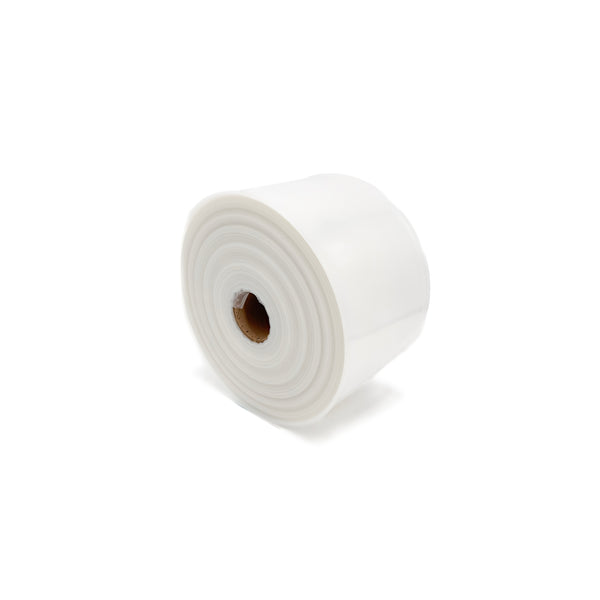 8 sizesBlasthole Liner
 3 sizesBlasthole Liner