




Articles
How-tos, explainers, and field notes on getting more out of every shot — air decking, stemming, fragmentation, fume, vibration, and the rest. Plain language, written for the bench.
 Latest article
Development Rounds: Why the Center Has to Go First
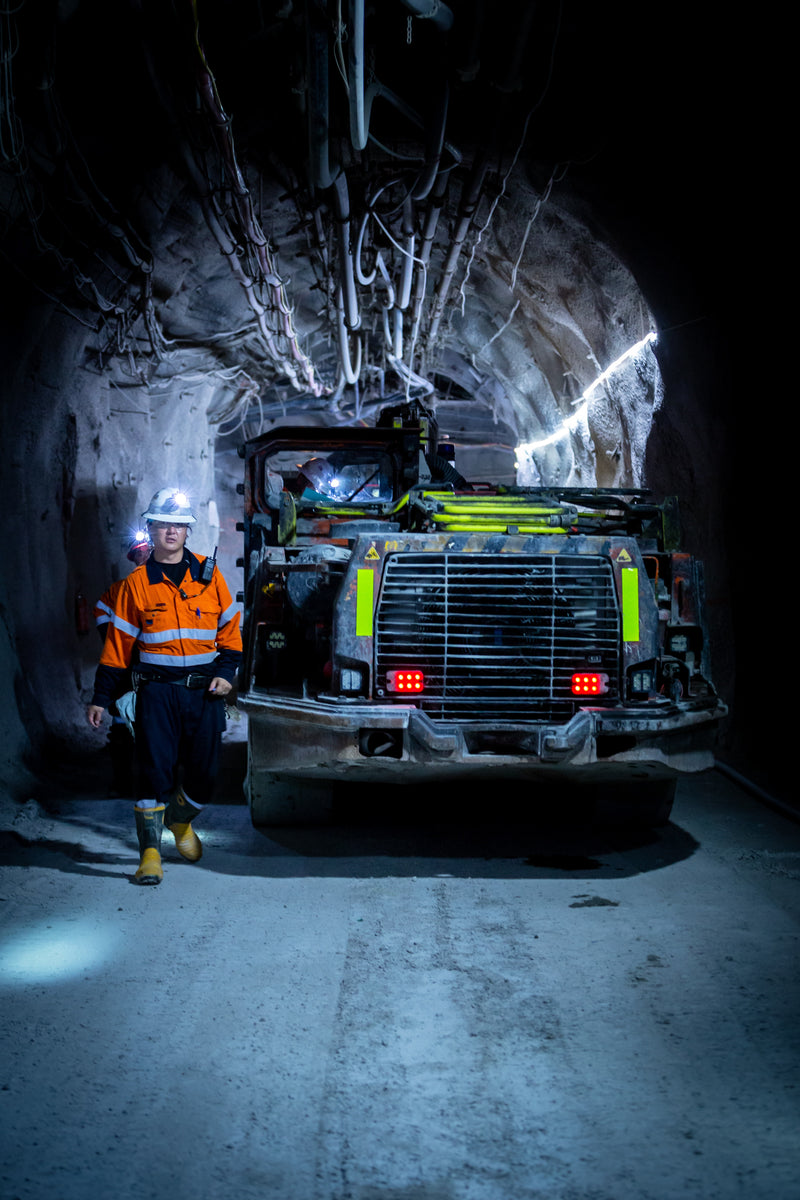
A development round has no free face, so you have to make one. The bullseye pattern, the firing sequence that fires inward in under a second, and why small-diameter holes change what gear works.
All articles
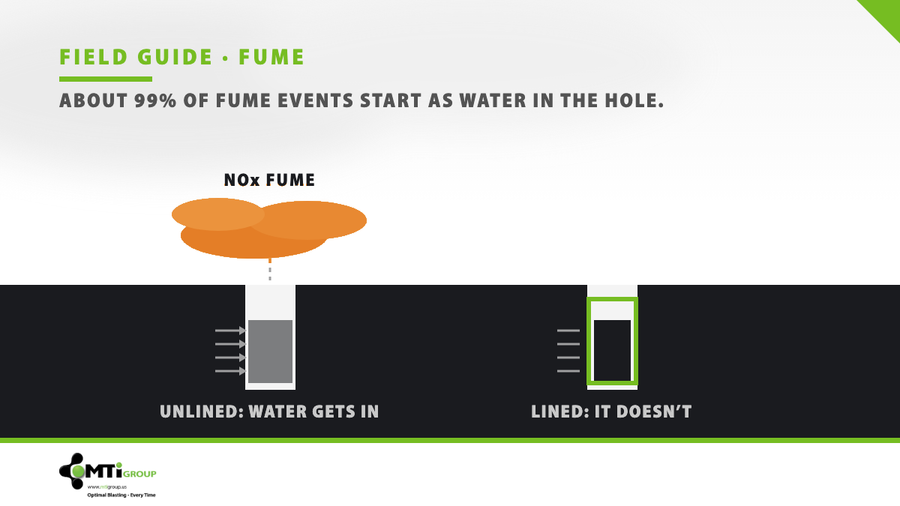
Fume: Why the Cloud Turns Orange, and What Puts It There
The orange cloud after a shot is nitrogen oxide, and it means the explosive fired at low order, or slower than it should. About...
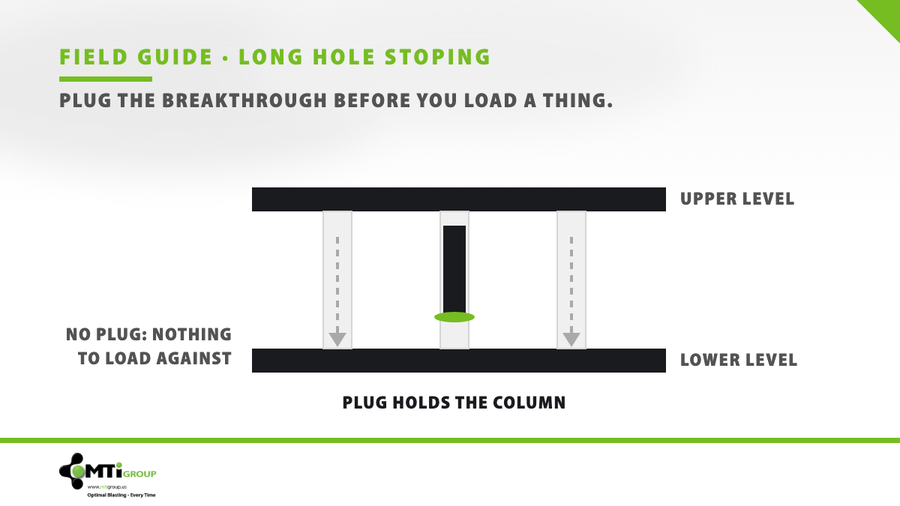
Long Hole Stoping: What Actually Holds the Column
Some holes in a long-hole stope are broken through by design, so they need a bottom before you load them. Breakthrough plugging, up hole...
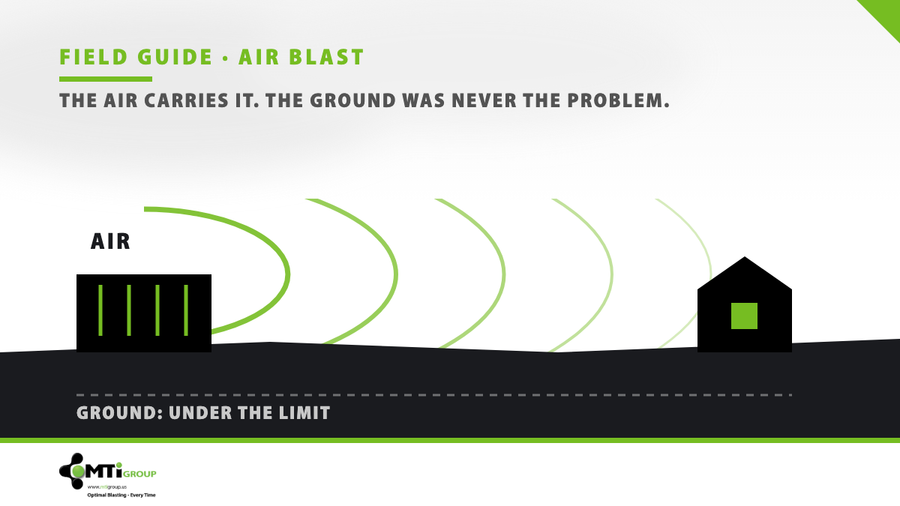
Air Blast vs Ground Vibration: Why the Complaint Is Almost Never What They Say
Somewhere between 90 and 95% of neighbor complaints about a blast are air blast, not ground vibration. Different phenomenon, a formula that assumes a...
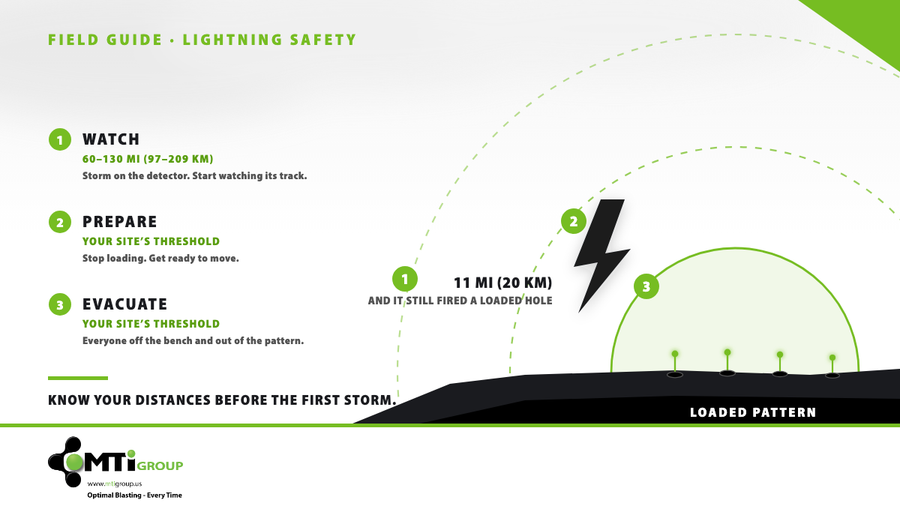
Lightning on the Blast Site: When to Watch, When to Pull the Crew
A strike can set off a loaded hole from miles away. Here's why distance matters more than the view from the pit, the three...

How to Add the MTi App to Your Home Screen
No app store, no download. Add the MTi app to your home screen in about 10 seconds — here's how on iPhone and Android,...

Hole Protection: Don't Lose the Hole Before the Shot
A drilled hole is money in the ground — and rain, wind, cuttings, and equipment traffic are all trying to take it back. How...
Managing Wet Holes: What Actually Works
Water in a blast hole isn't an inconvenience — it's a cost. How to find it before you load, and what handles the three...
Blast Optimization: A Field Guide to Better Results on Every Shot
You plan the shot, load the holes — and the muck pile still doesn't match the effort. The fix usually isn't more explosive.
What is Air Decking in Blasting?
Air decking can let you use less explosive while improving fragmentation, reducing flyrock, and controlling vibration. Here's how it works — and why more...
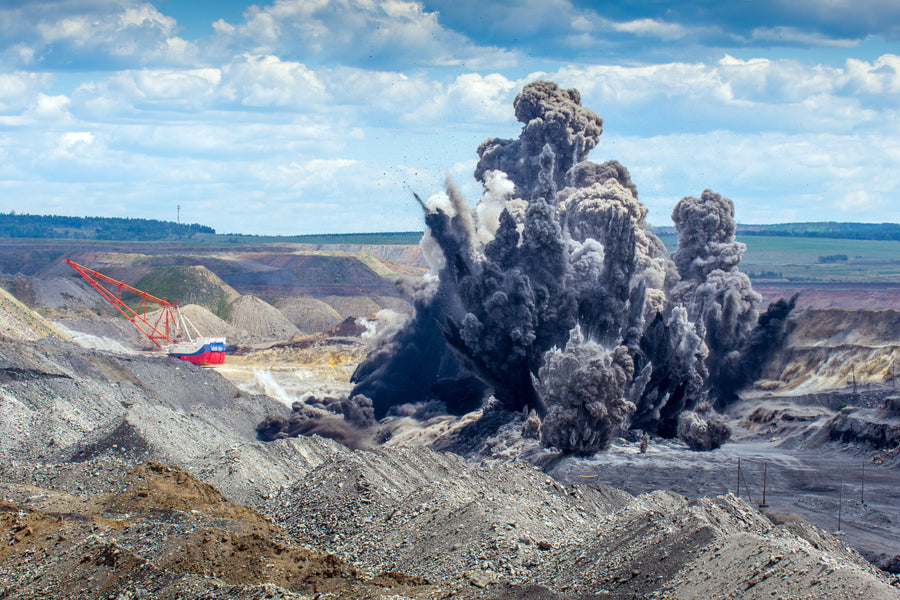
How to Prevent Flyrock on Your Site
Flyrock can damage equipment, shut down sites, and can be fatal. One bad shot can end your project. You know what causes it. Fixing...
Can You Diagnose Blast Issues By Simply Looking at the Muck Pile?
Learn how to read the muck pile after blasting to spot fragmentation, throw, and stemming issues before the next shot.

Presplit Blasting: What It Is & Why It Matters
Presplit blasting uses a tight row of light charges to control overbreak and protect your final wall, leaving a cleaner and safer face.
7 Clues You’re Using the Wrong Stemming Plugs
A lot of blast issues trace back to one small part—the stemming plug. Here are 7 clues yours might be failing and costing you...
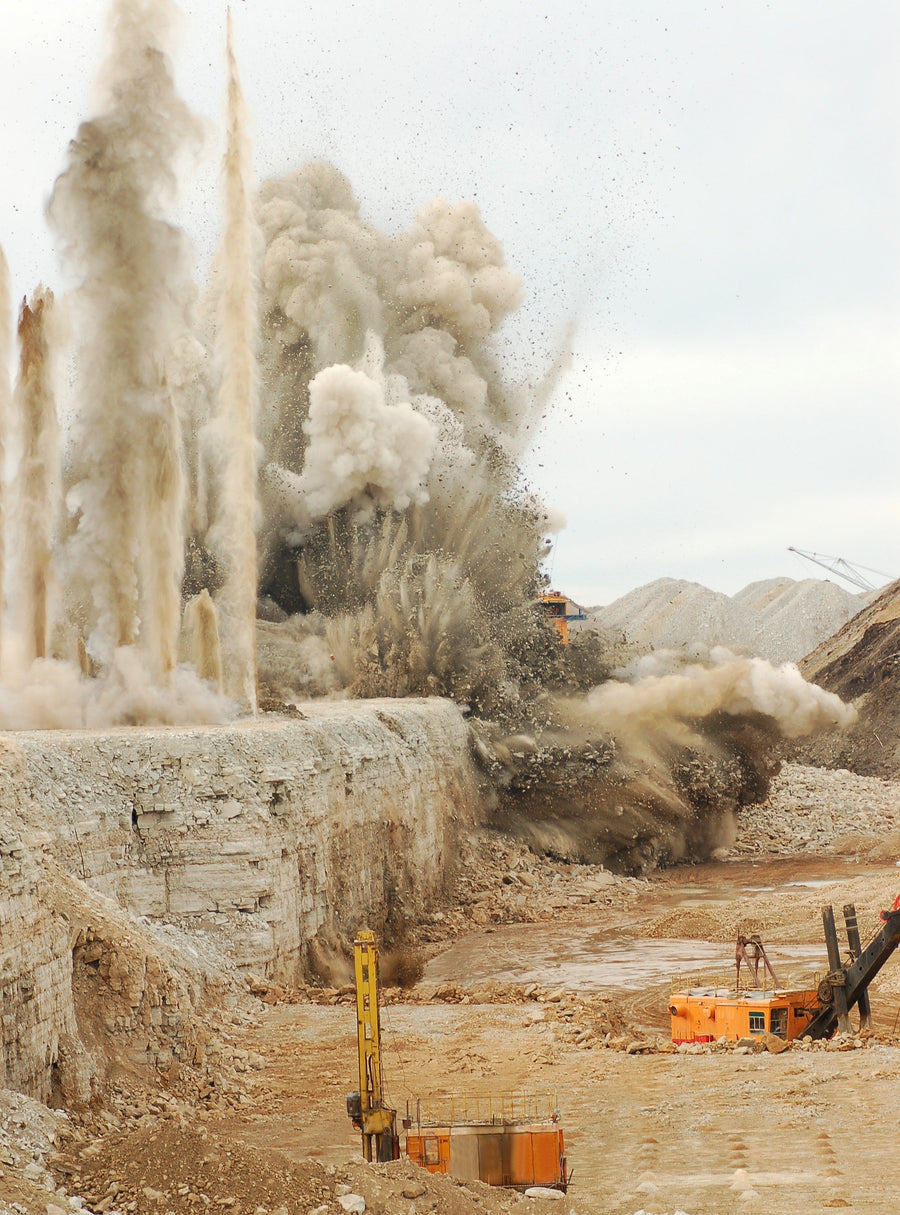
5 Hidden Costs of Lost Energy
Lost blast energy leads to bigger rock, slower mucking, more wear, and higher cost per ton. Here are five hidden costs every blaster should...
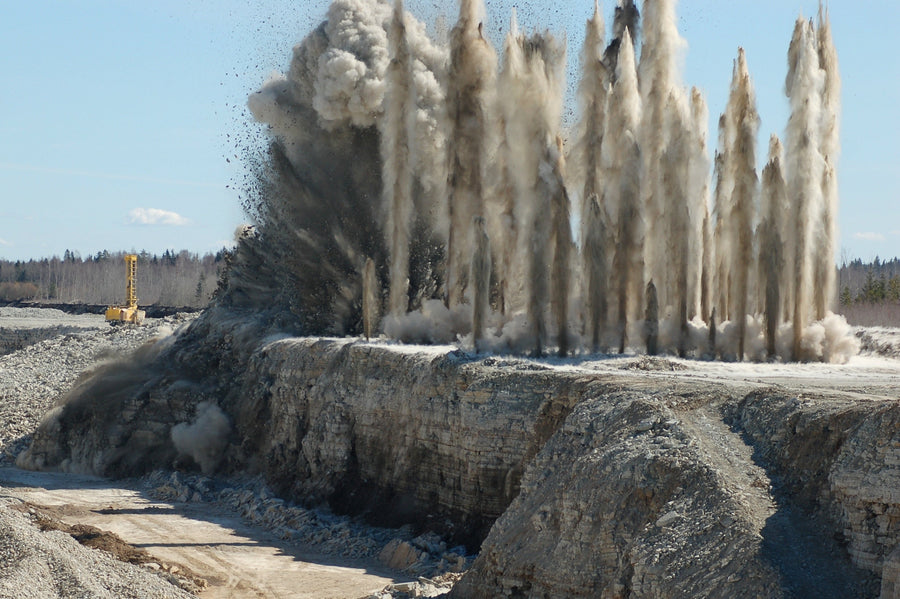
5 Signs Your Blast Is Losing Energy Before It Even Starts
Ever fire a shot and feel like it didn’t break the way it should’ve?A lot of blast problems start inside the hole long before...
