

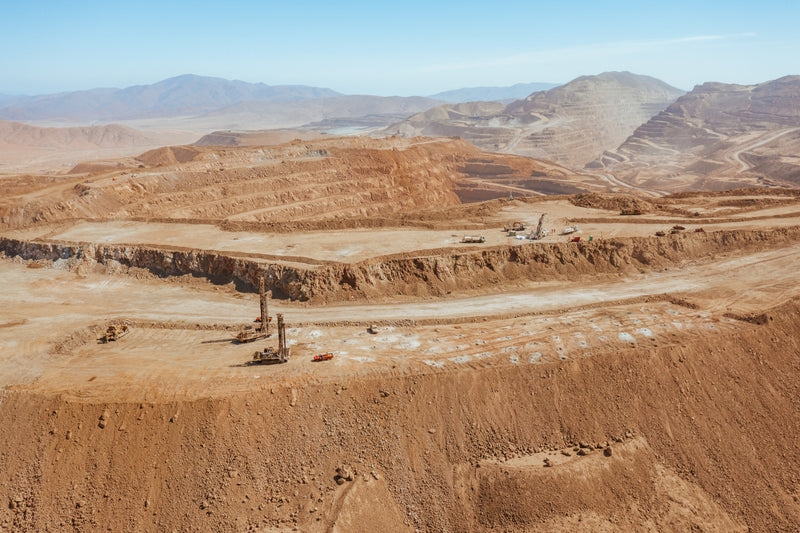

You know the one. Yellow smoke changing to bright orange, hanging down in the pit or over the shot after it fires.
That color is nitrogen oxide, and it means the explosive fired at low-order.
 All ProductsBrowse every BLASTBAG, liner, plug, inflator and tool MTi makes — 400+ field-tested SKUs.107
 BLASTBAGS™Inflatable stemming bags — Solo, Aero, Evo and Bag Spider. Cut powder use and improve fragmentation.5
 Blasthole LinerBLASTSHIELD™ PLUS and Heavy-Duty Poly liners — keep emulsion dry in wet, fractured ground.2
 Blasting Machines & Initiation EquipmentHB-series electric and non-electric blasting machines — MSHA-approved, with circuit continuity.14
 Collar / Hole ProtectionCOLLARCONE hole savers and foam cubes — stop collar collapse, debris fall-in and redrills.8
 Delineation & MarkingPINTAGs, solar flashers, stake flags and bandanas — mark, flag and light up the bench.6
 Electrical Measurement DevicesDigital ohmmeters and circuit continuity testers — verify your shot before you fire.2
 In-Hole AccessoriesSLUMPSTOPPA brushes, multifit spiders, booster locks and shot bags — for reliable, well-loaded holes.5
 Inflation EquipmentInflators, droplines, couplings, hose reels and repair kits — full setup for chemical or air inflation.7
 Locks / StoragePadlocks, load locks, steering locks and bin skirts — secure magazines, vehicles and gear.4
 LoadingLoad poles, C-hooks, barbed retrievers, tamping plugs and adaptors — everything to deck and prime.7
 MeasuringMiTiMEASURE tapes, dip weights, laser hypsometers and GPS — drill depth, dip and field measurement.8
 SafetyHi-vis vests, fall protection, earplugs, lightning detectors and first-aid — keep your crew safe on the bench.21
 Signs/PlacardsDanger, Keep Out and Explosives warning signs plus DOT placards — adhesive, aluminum and magnetic.4
 Stemming PlugsROCKRIVET, MITIPLUG, SPRINGLOCK and MARS — friction stemming plugs that lock the deck and hold the gas.6
 ToolsCordcutters, shot firer mirrors, blasthole cameras, MITI hooks and clips, smoke dischargers and batteries.21
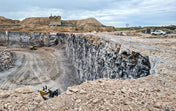
Field Guide
The orange cloud after a shot is nitrogen oxide, and it means the explosive fired at low order, or slower than it should. About 99% of the time the cause is water. Here's the chemistry, the four causes, and the liner decision by hole size and depth.

From the bench
We write up what we learn from benches like yours — storm protocols, wet holes, lost energy, fragmentation fixes. Two to four emails a month, and you can unsubscribe in one click.
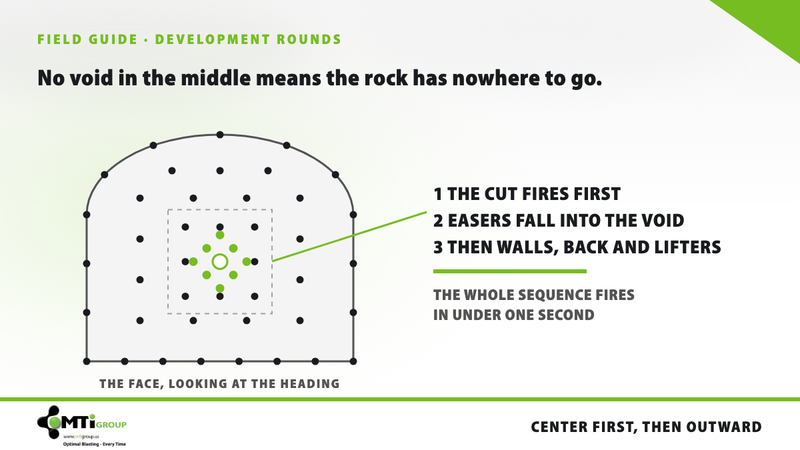
A development round has no free face, so you have to make one. The bullseye pattern, the firing sequence that fires inward in under a second, and why small-diameter holes...

Some holes in a long-hole stope are broken through by design, so they need a bottom before you load them. Breakthrough plugging, up hole plugging, and why gassed emulsion needs...
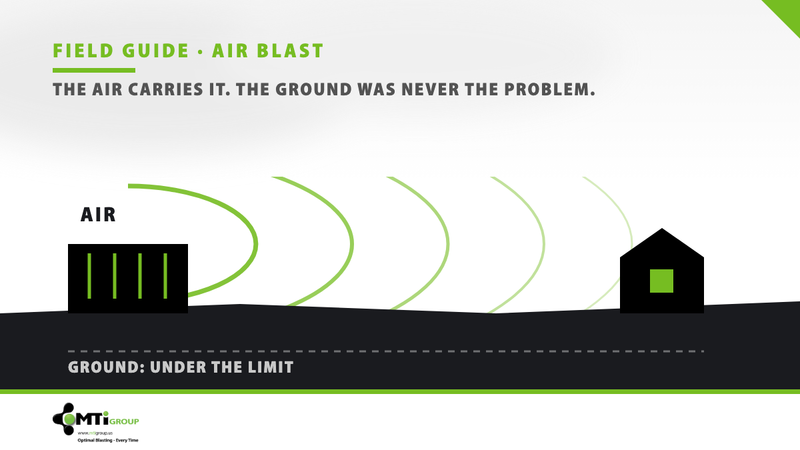
Somewhere between 90 and 95% of neighbor complaints about a blast are air blast, not ground vibration. Different phenomenon, a formula that assumes a bench you never get, and a...

New here? Create a business account for your trade pricing. Already set up? Just sign in.
Create a business account I already have an account — Sign inCreate an account and your trade pricing is ready the moment you sign in — no waiting.