



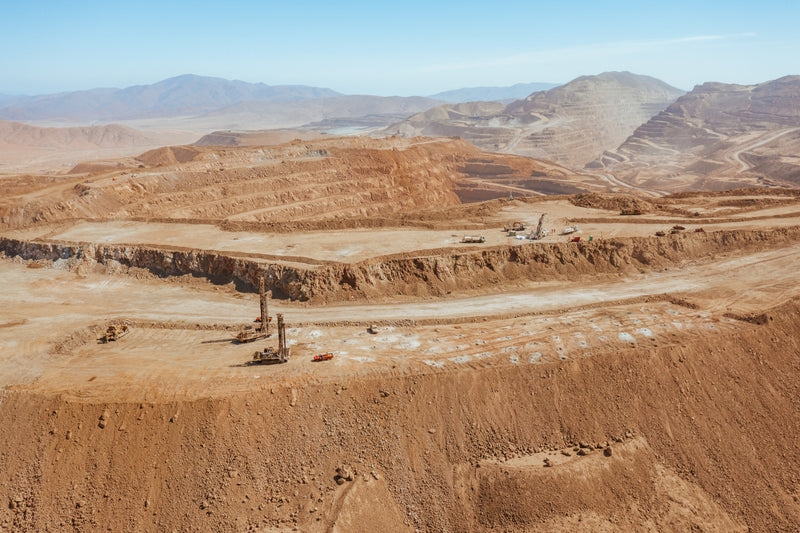
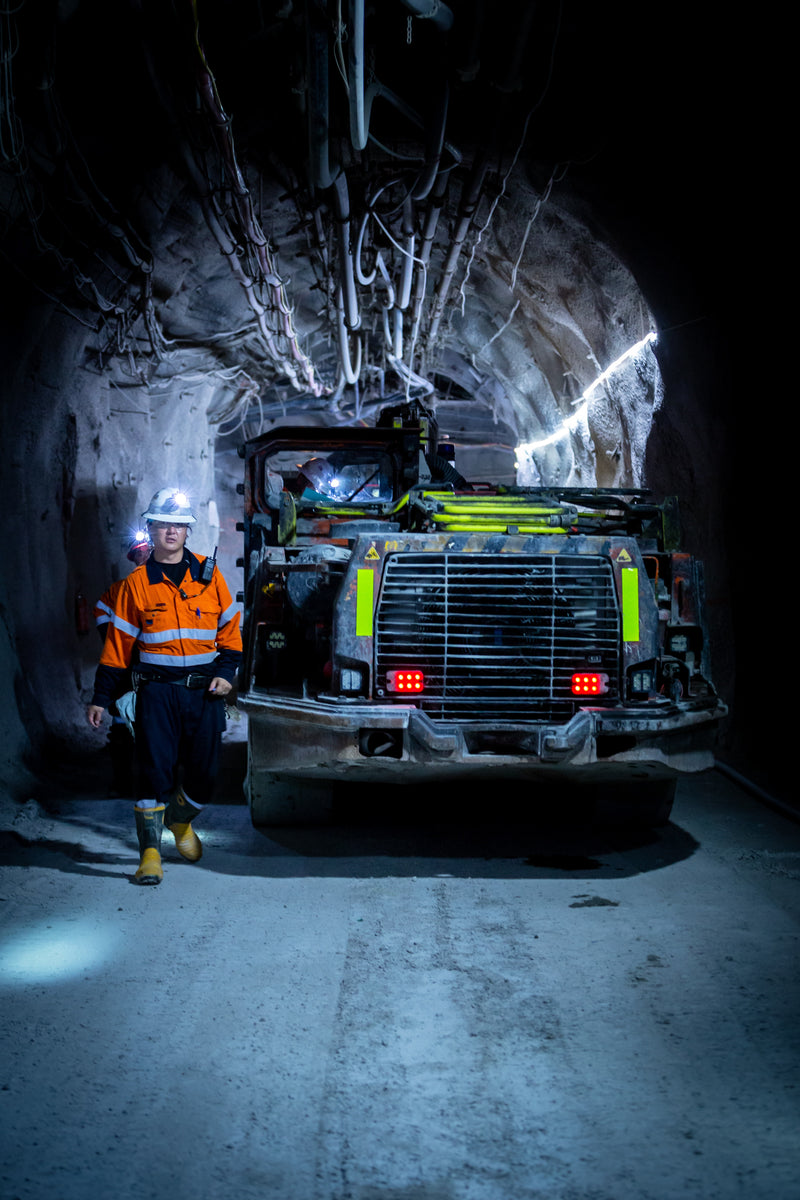
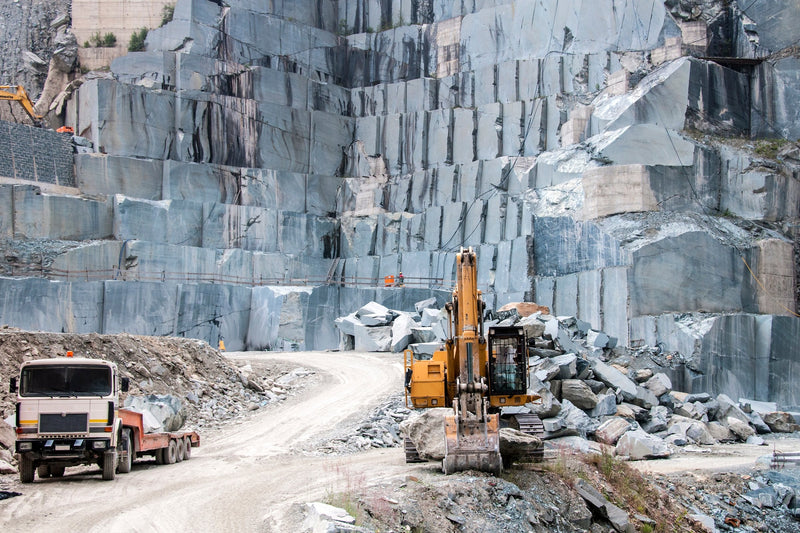


Can You Diagnose Blast Issues By Simply Looking at the Muck Pile?
3 min read-
Best Seller
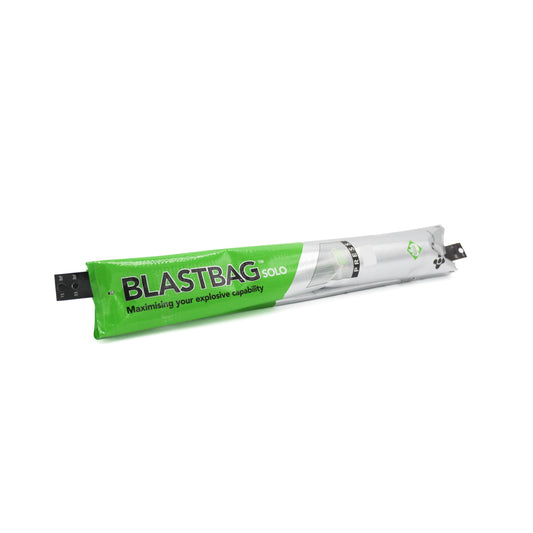
BLASTBAG™ SOLO
Most used BLASTBAG™ in the world with dual speed inflation.
-
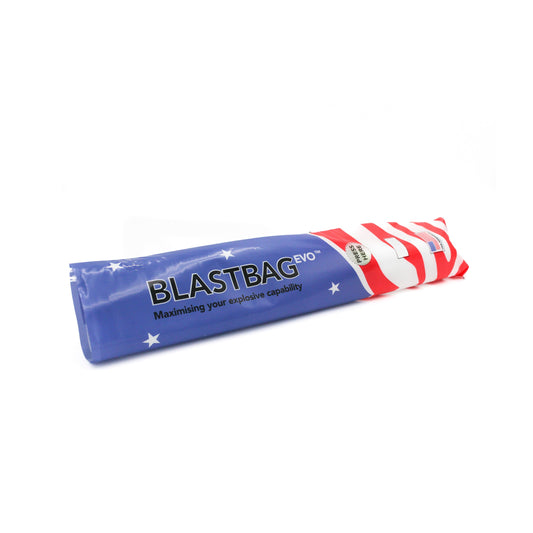
BLASTBAG™ EVO
Non-flammable aerosol BLASTBAG™. Two SKUs cover blast holes from 4" to 9 7/8".
BLASTBAG™ EVO
AerosolNon-flammable aerosol BLASTBAG™. Two SKUs cover blast holes from 4" to 9 7/8".
Vendor:MTi USA -
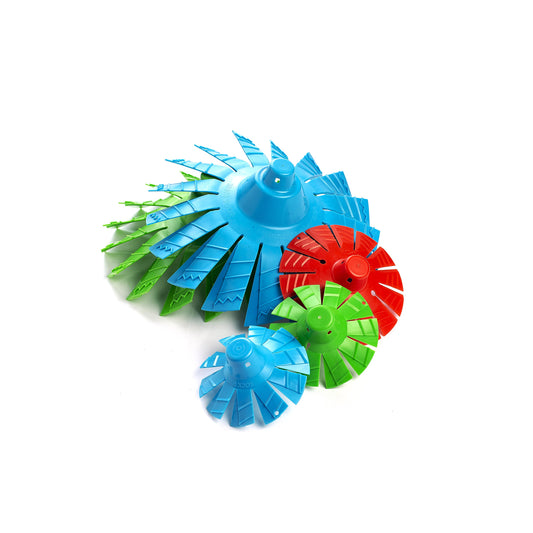
ROCKRIVETS
Friction-based retention spider plug
-
Best Seller
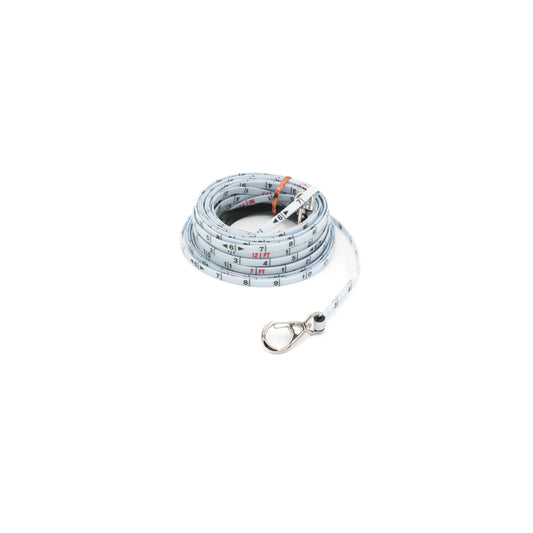
Depth Gauge
Durable tape measure for blast hole depth.
-
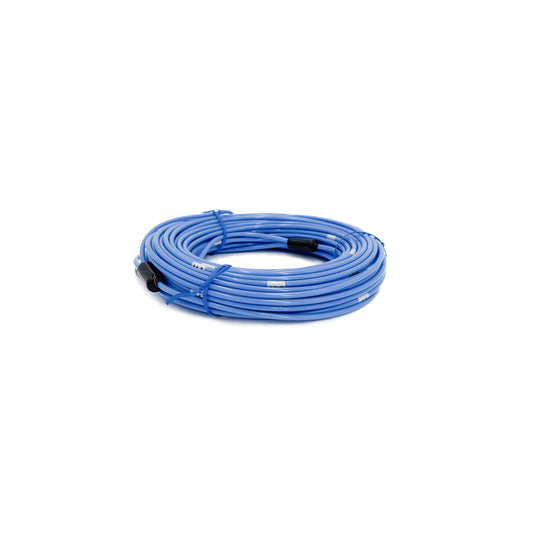
MiTiMEASURE Polyline
Precision measuring tool for any mining conditions.
-
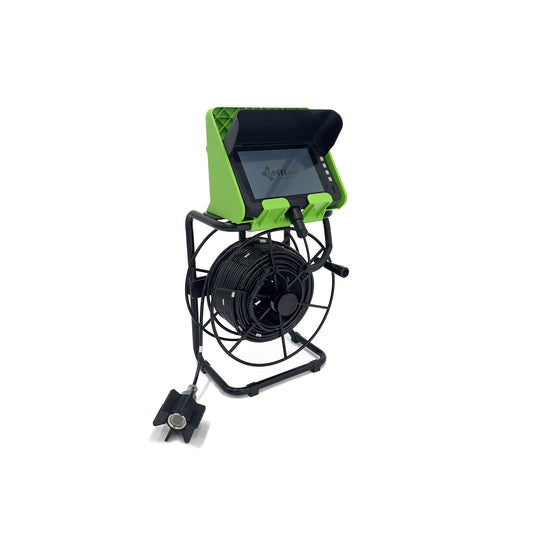
Blasthole Camera with Carrying Case
Durable camera for inspecting blast holes
-
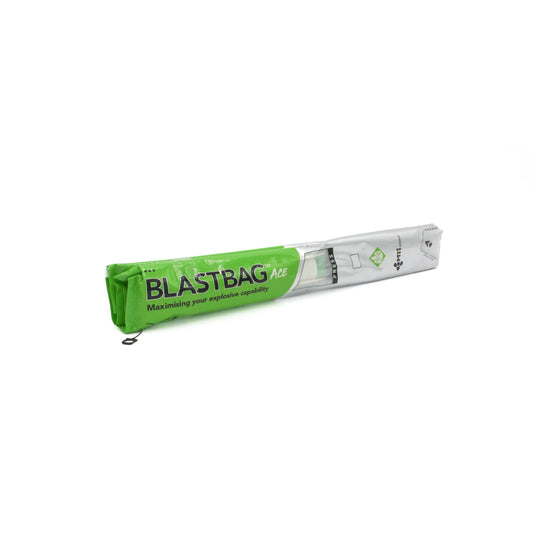
BLASTBAG™ ACE II
The non-metallic, non-dangerous goods BLASTBAG™ with push-latch inflation.
BLASTBAG™ ACE II
ChemicalThe non-metallic, non-dangerous goods BLASTBAG™ with push-latch inflation.
Vendor:MTi USA -
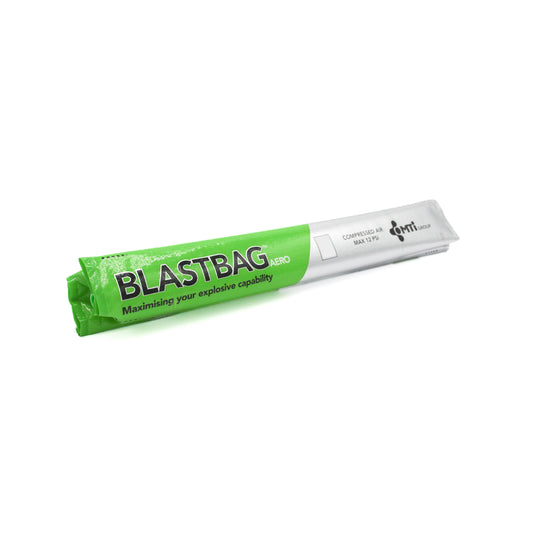
BLASTBAG™ AERO
Air-operated blast hole plug. Two SKUs cover 2.5"–12.25". Non-DG. Fastest inflation.
BLASTBAG™ AERO
AirAir-operated blast hole plug. Two SKUs cover 2.5"–12.25". Non-DG. Fastest inflation.
Vendor:MTi USA -
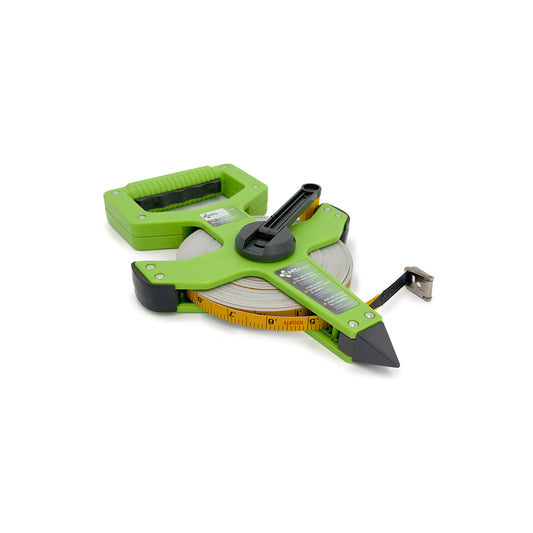
Tape & Reel
Most commonly used measuring tape with inverted numbers for easy reading.
Most commonly used measuring tape with inverted numbers for easy reading.
Vendor:MTi USA -
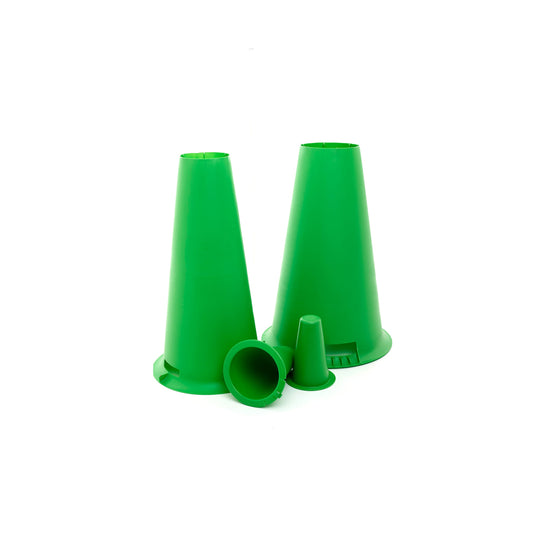
Collarcone Hole Saver
Lightweight cone that protects drill holes.
