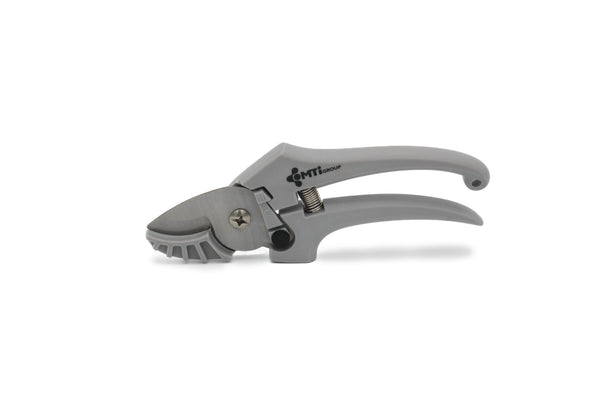
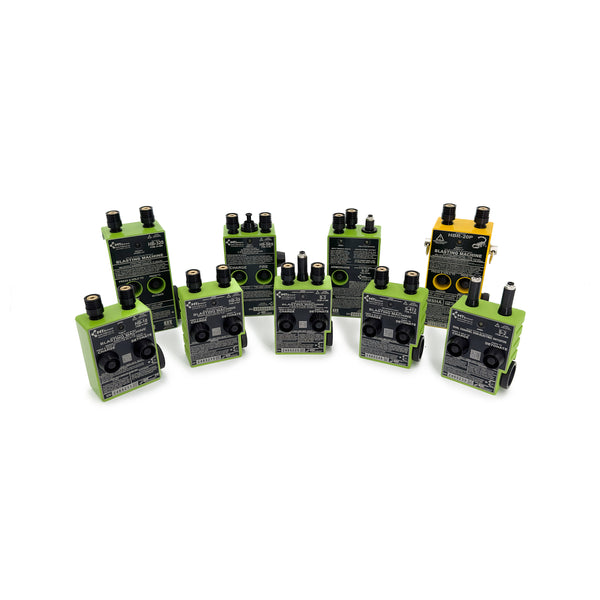
Measuring tools — weighted tapes, depth gauges, laser rangefinders, GPS, and in-hole probes — do one job each: tell you exactly what's happening on the bench and inside the hole before you load it. If you're getting inconsistent fragmentation, flyrock you can't explain, oversized rock, or holes that have to be re-drilled, the root cause is often a measurement that was off by a foot, a degree, or a few PSI.
MTi GROUP's range of drill and blast measuring tools is built for hard rock mining, open pit, quarrying, tunneling, and construction blasting. Hole depth coverage runs from 25 feet (7.6 m) through to 300 feet (91 m). Four measurement categories — depth, distance, position, and in-hole conditions — let your crew match the tool to the measurement instead of forcing one tool to do every job.
What Drill and Blast Crews Actually Measure
There are four measurements most crews take on every shot, and each one needs a different tool.
- Hole depth. From collar to toe, every hole. Drives charge weight, stemming length, and powder factor. If depth is off, the rest is off.
- Burden and spacing. Distance from the face to the front row, and between holes. Controls fragmentation and wall condition.
- Stemming column height. How much stemming sits above the charge. Controls confinement, flyrock, and air overpressure.
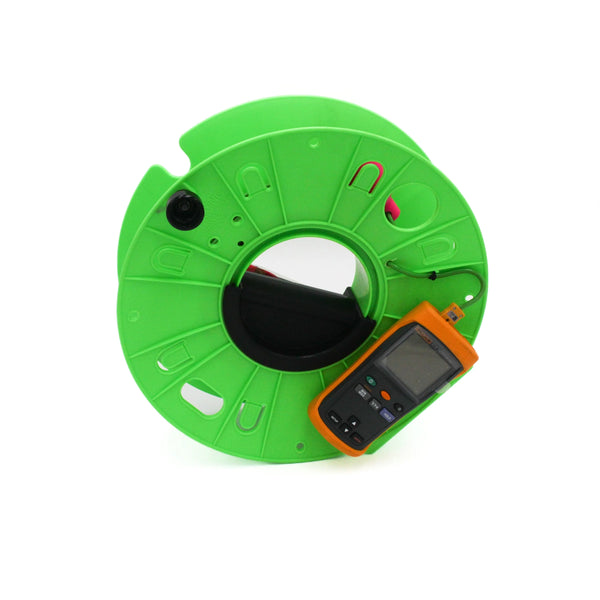
- In-hole conditions. Temperature, water, and emulsion density inside the hole. Drives explosive selection and load safety.
How Drill and Blast Measuring Tools Work
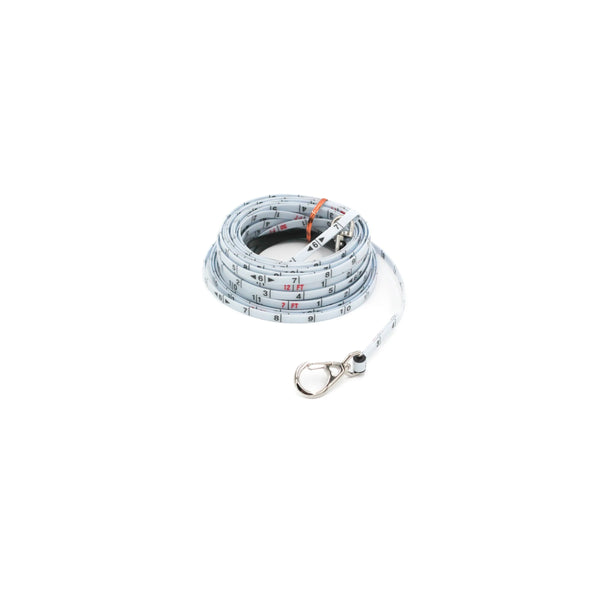
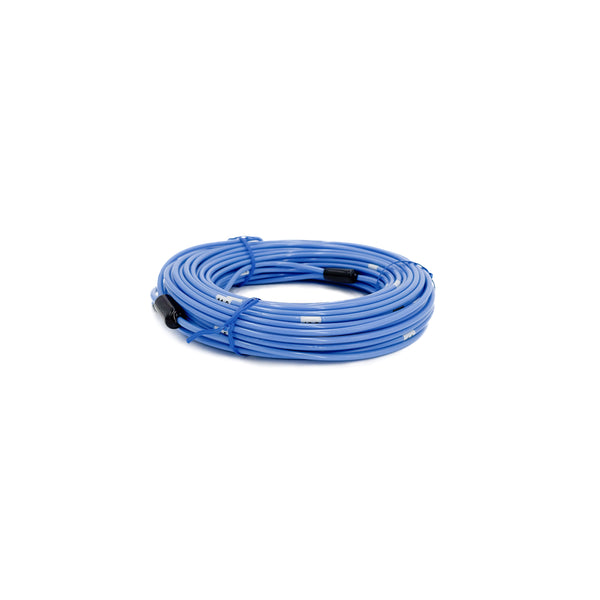
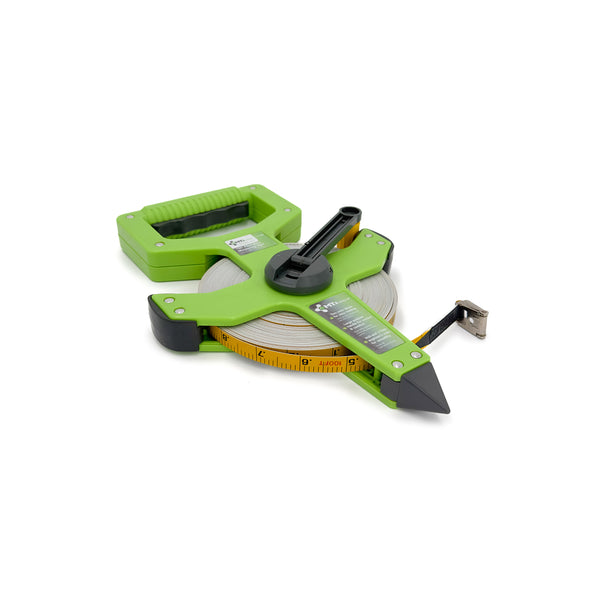
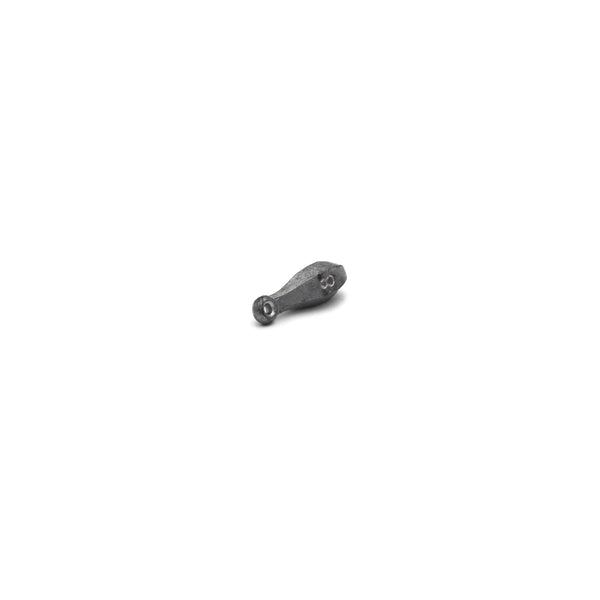
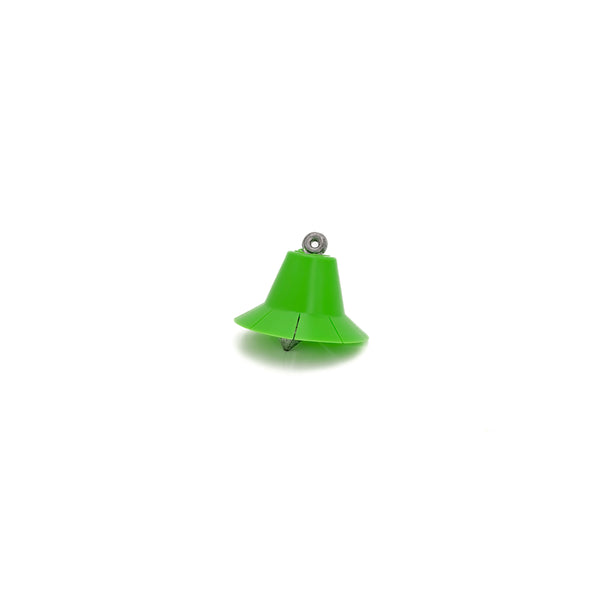
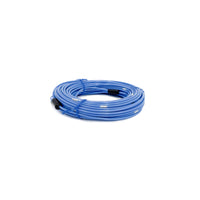
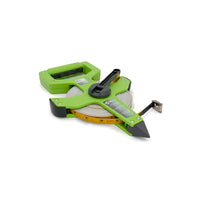
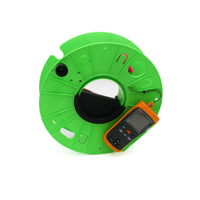
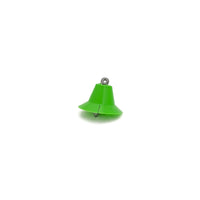
Hole depth is measured by dropping a weighted tape, polyline, or mechanical gauge down the hole and reading depth at the collar. The weight pulls the line through dust, cuttings, and water so you get a true bottom reading instead of an obstruction reading.
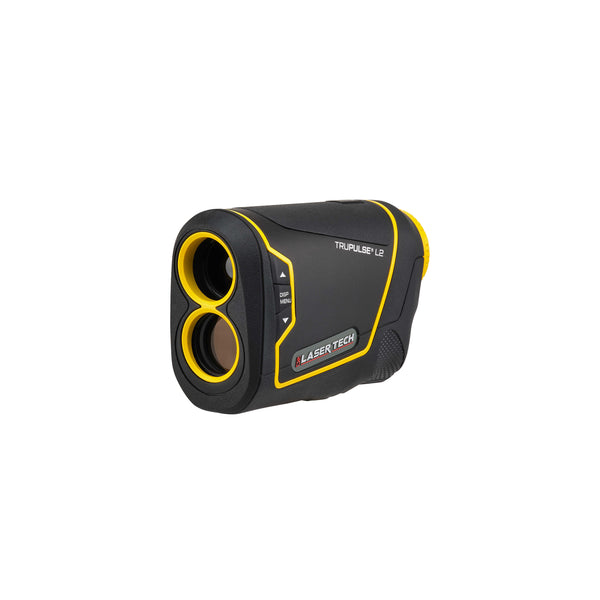
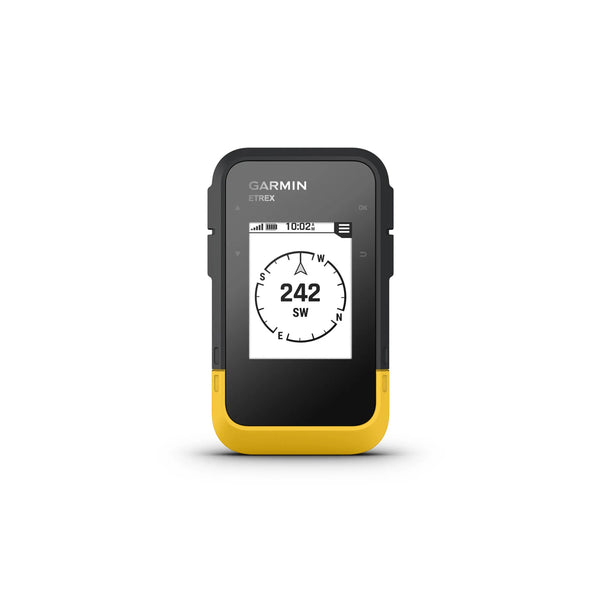
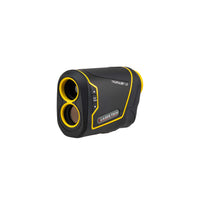
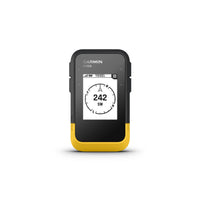
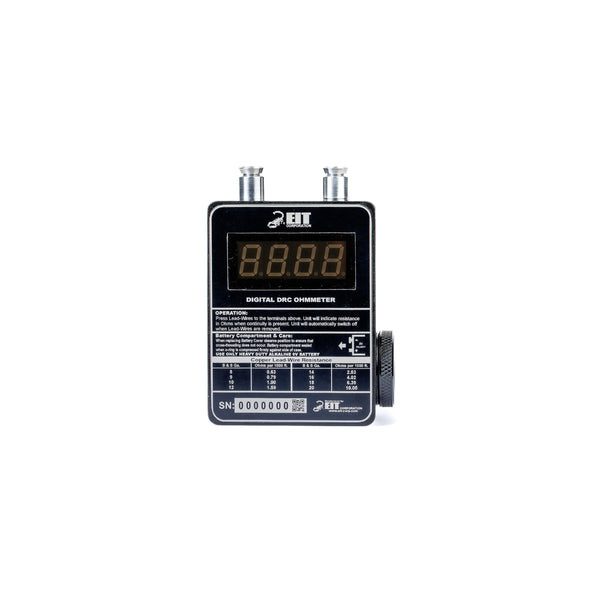
Burden, spacing, and face height are measured above ground with a laser rangefinder, which fires a beam at the target and times the return. GPS units locate hole collars, bench boundaries, and pattern corners on the site map. In-hole condition tools — temperature probes and emulsion weights — confirm what's actually happening inside the hole before charge goes in.
Used together, the kit covers every measurement from pattern layout through stemming. Used in isolation, each tool solves one specific problem on the bench.
What Are the Benefits of Accurate Drill and Blast Measurement?
Accurate hole depth means accurate charge weight, which means consistent powder factor across the pattern. Accurate burden and spacing means consistent fragmentation and predictable wall condition. Accurate stemming height means controlled flyrock and air overpressure. Accurate in-hole temperature means safe explosive selection in reactive ground.
The cost of getting any one of these wrong is real: re-drilled holes, oversize rock that needs secondary breakage, flyrock incidents, off-spec explosive performance, and powder you paid for but didn't use. The cost of the tools that measure them correctly is a fraction of one bad shot.