

The challenge
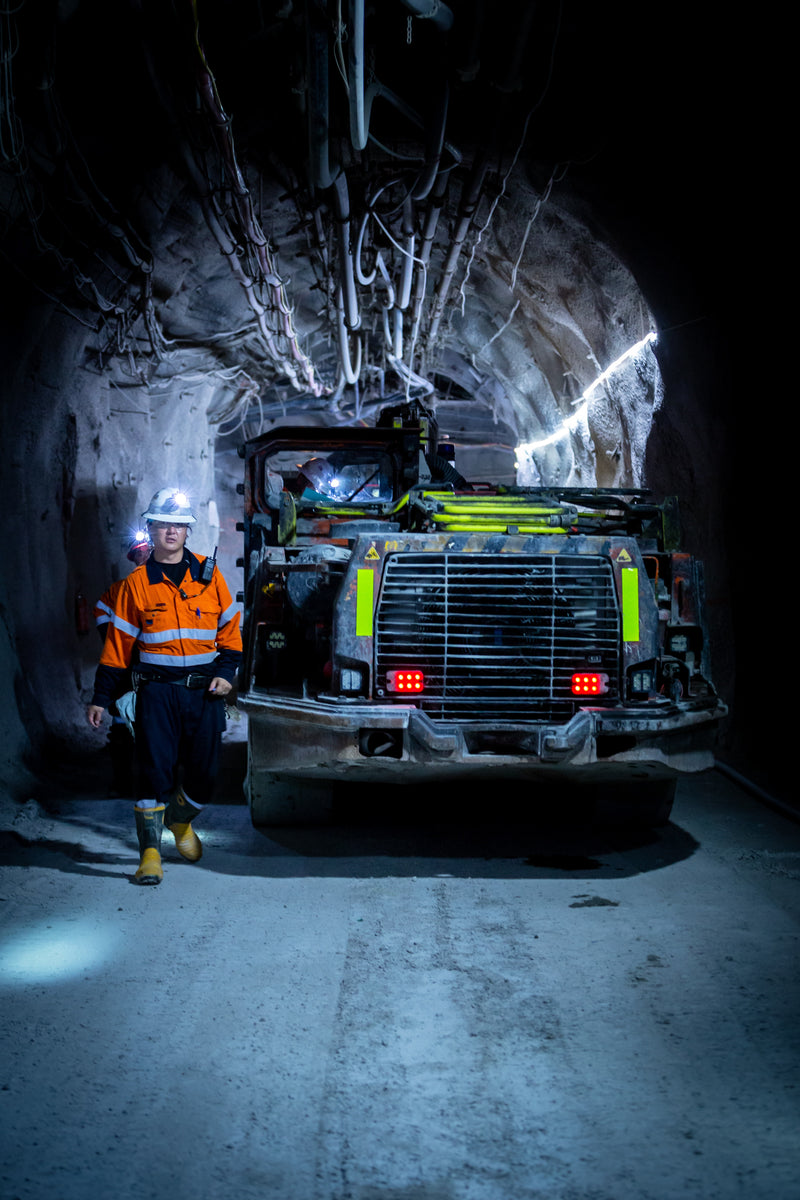
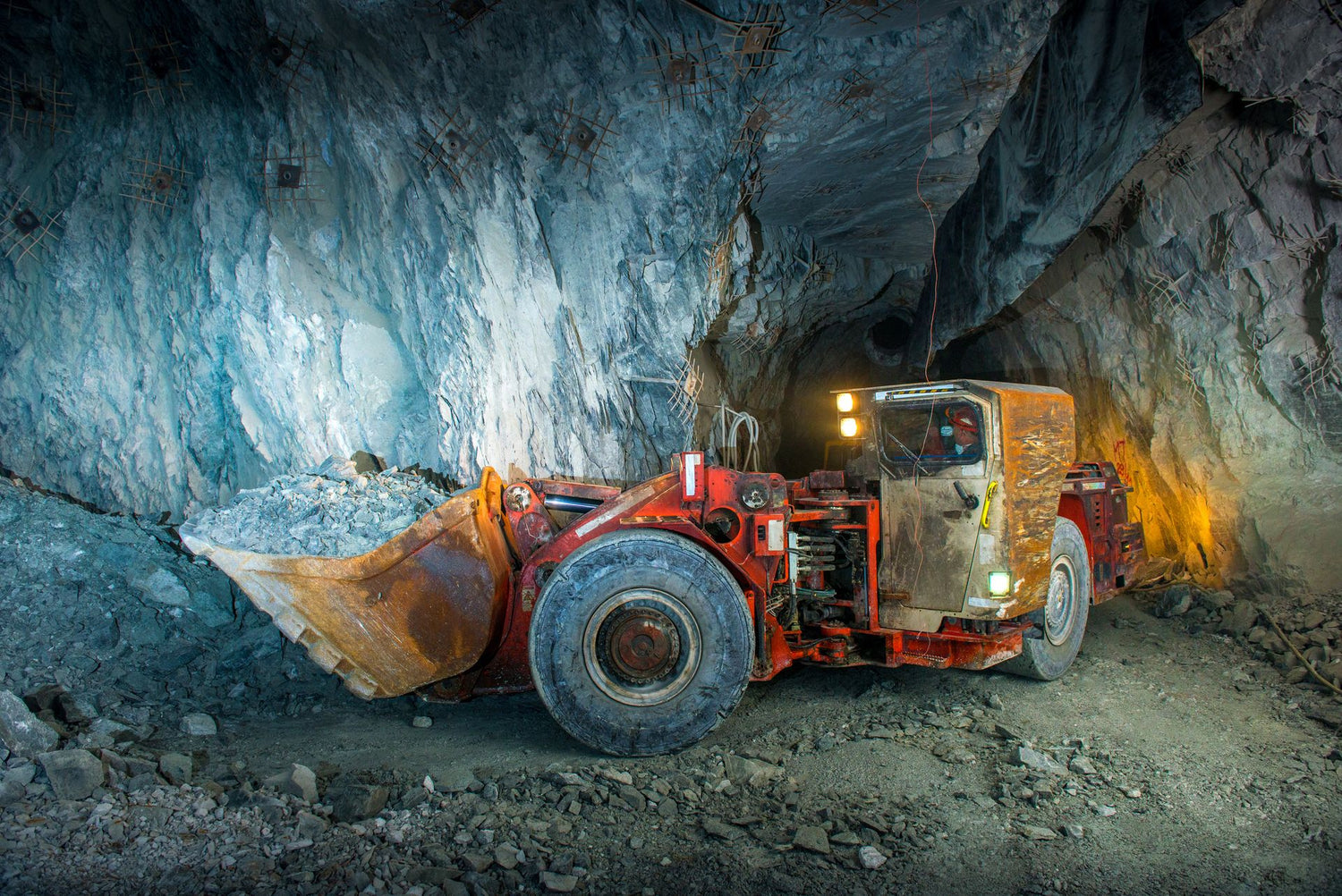
An underground operation in Mexico was running into a problem most underground teams know by feel before they see it on the report: dilution was creeping up, and explosive cost per hole wasn't moving in the right direction.
Development rounds were running at 19% dilution. Ore mixed with waste through the muck pile — and every tonne of dilution is a tonne of crushing, hauling, and processing that doesn't pay back.
Vibration was high, too. Wall damage, equipment stress, and tighter PPV limits near sensitive ground meant the round couldn't keep absorbing more charge per hole. It's the constraint every underground operation hits eventually: you can't fix dilution by adding more explosive, and you can't fix vibration by adding less.
The solution
Air decking. Specifically, BLASTBAG™ AERO deployed in each hole to create a controlled air gap above the explosive column. AERO was the right pick for this site for three reasons:
- AERO inflates using service air — no aerosol DG handling, no chemical wait. The air line is already on the bench.
- Lowered to depth, then inflated — so the air deck sits exactly where the design calls for, down to the inch.
- Wet-hole capable — AERO lowers through water and inflates, and development rounds run wet more often than not.
The crew ran the program over a three-month trial. Forty-seven blasts. Same crew, same equipment, same design intent — with air decks in place of the conventional confined column.
The results
Forty-seven blasts. Three months of production data. The numbers came back the same direction on every metric that mattered.
| Metric | Baseline | Trial | Change |
|---|---|---|---|
| Dilution | 19% | 5% | −14 points |
| Vibration (PPV) | — | — | −70% |
| Cost per hole | — | — | −$72 (−15.3%) |
| Advance rate | Baseline | No negative change | Flat |
The mine wasn't trading one outcome for another. Advance rates held. Productivity held. Dilution dropped from 19% to 5%, vibration dropped 70%, and cost per hole dropped $72.
The drop in PPV is the part that quietly opens future doors — the option to push closer to sensitive infrastructure, neighboring drives, or final walls without breaching limits. That flexibility compounds.
The outcome
The mine adopted BLASTBAG™ AERO for ongoing underground operations. The three-month trial moved straight into standard practice — not a pilot extension, not a 'let's see how it goes.' Production use.
- Dilution down 14 points — 19% to 5% across the trial program.
- 70% PPV reduction — opens design flexibility near sensitive infrastructure.
- $72 saved per hole — 15.3% cost-per-hole reduction.
- 47 blasts validated — no negative effect on advance rates or productivity.
- BLASTBAG™ AERO adopted as the working underground design.