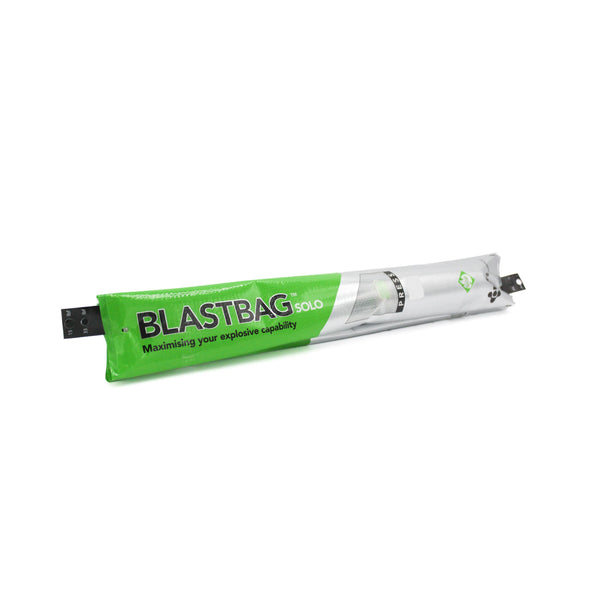
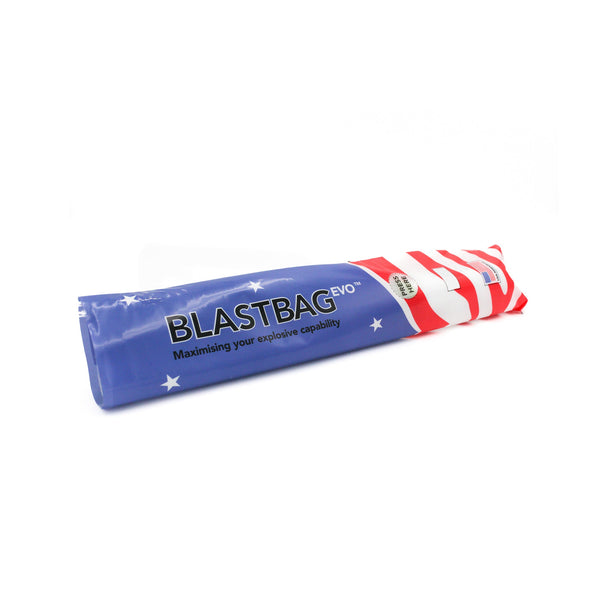
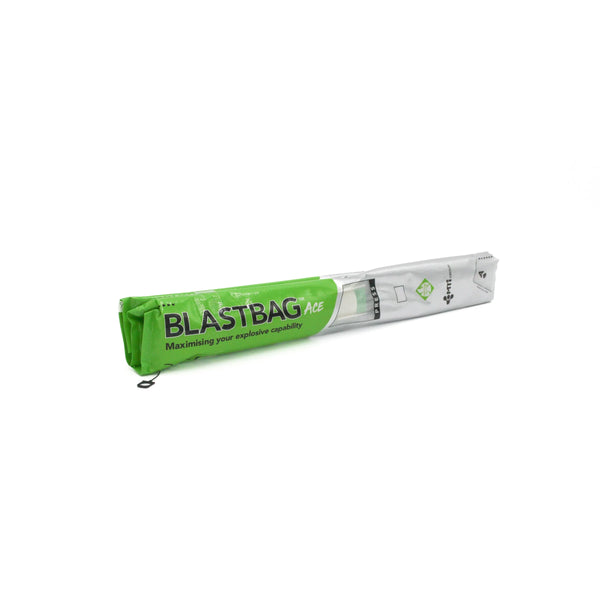
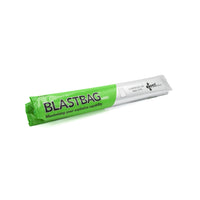
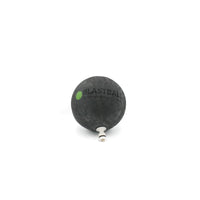
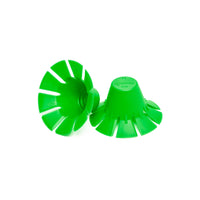
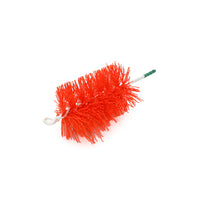
Air decking is a blast hole technique where a sealed pocket of air is placed inside the column — between two charges, or between the charge and the stemming — to redistribute explosive energy more evenly through the rock. Instead of filling the entire hole with explosives, you place a gas bag or mechanical plug at a set depth. When the charge fires, gases expand into the air pocket and push outward against the rock mass. The result: better fragmentation, less flyrock, and lower explosive cost per hole.
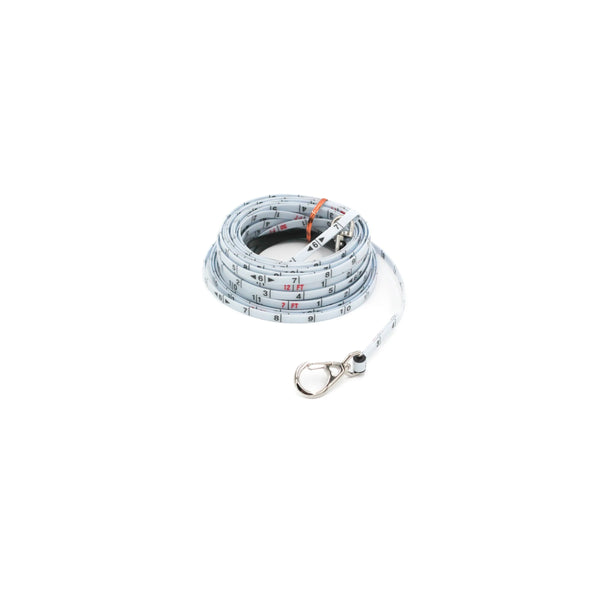
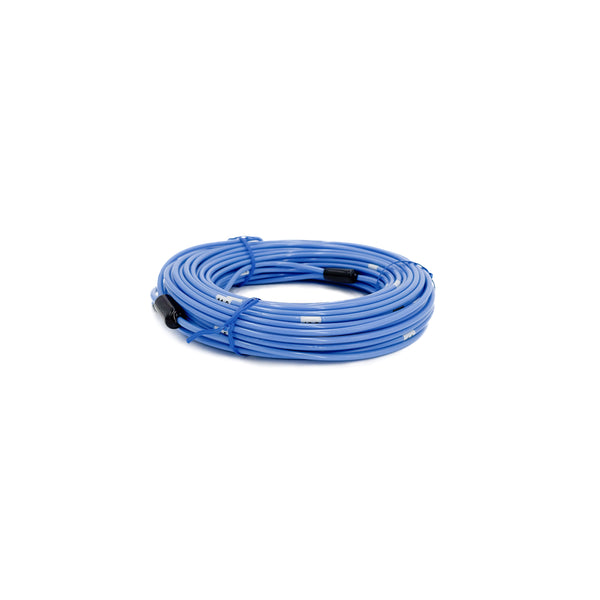
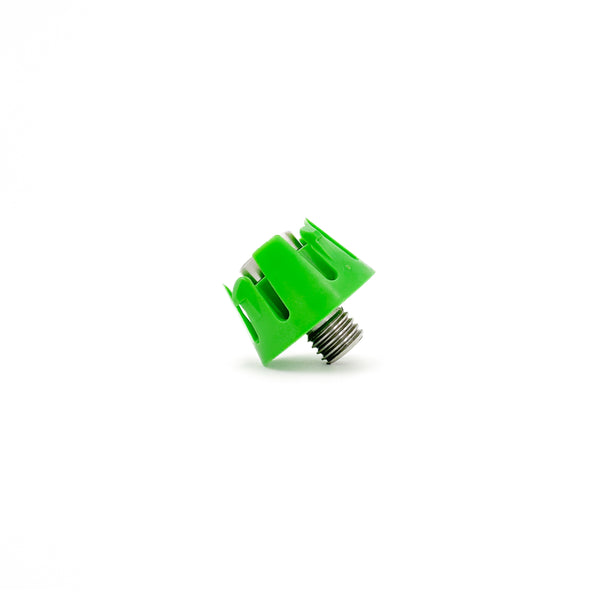
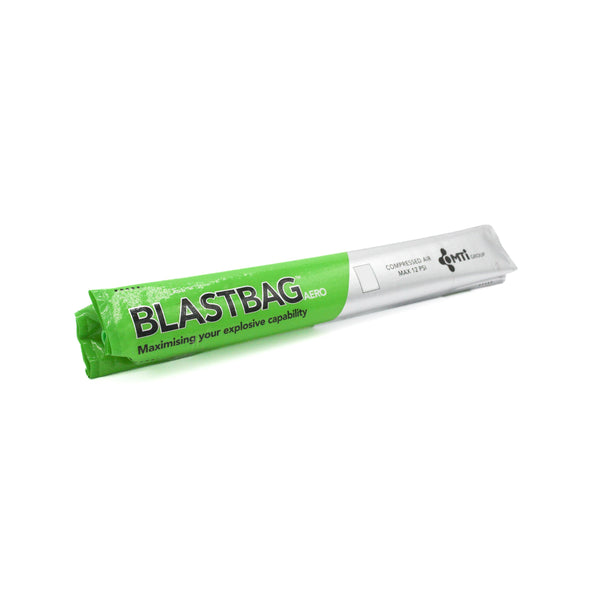
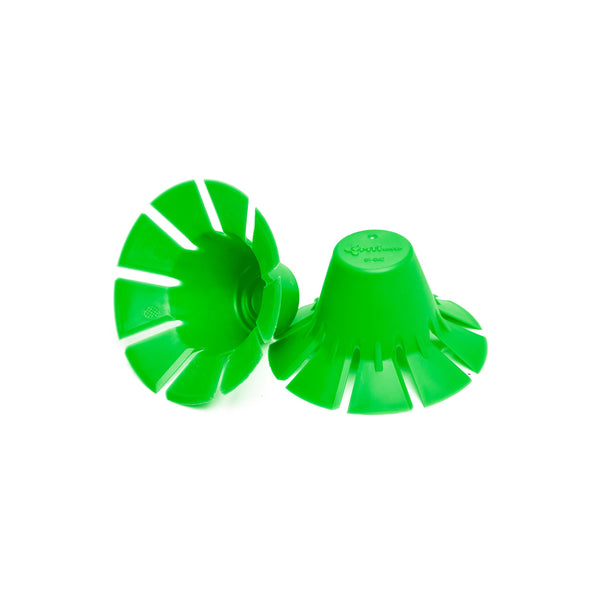
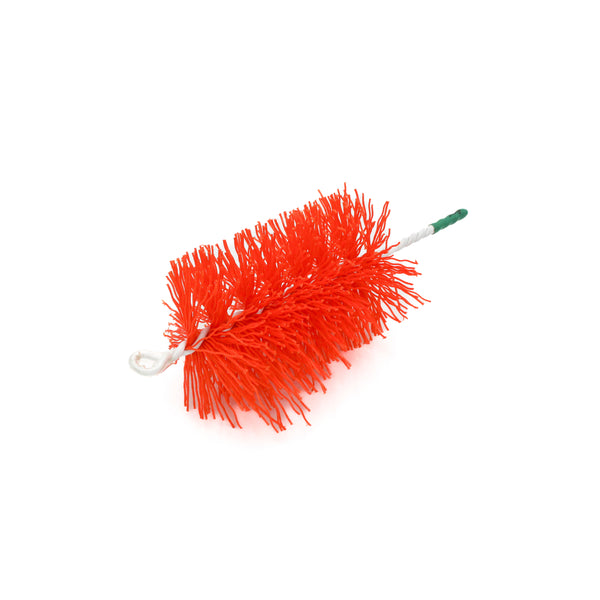
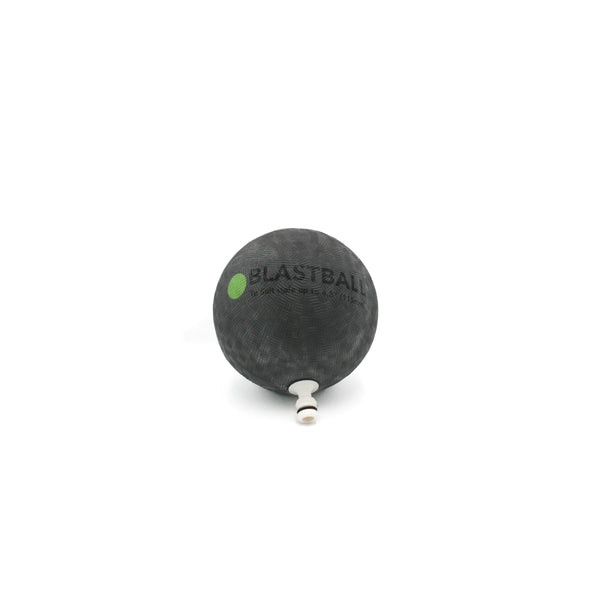
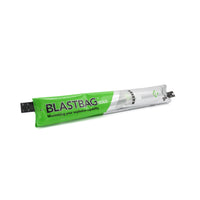
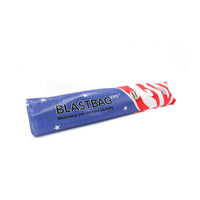
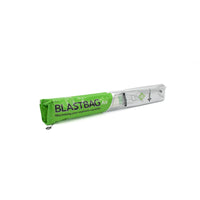
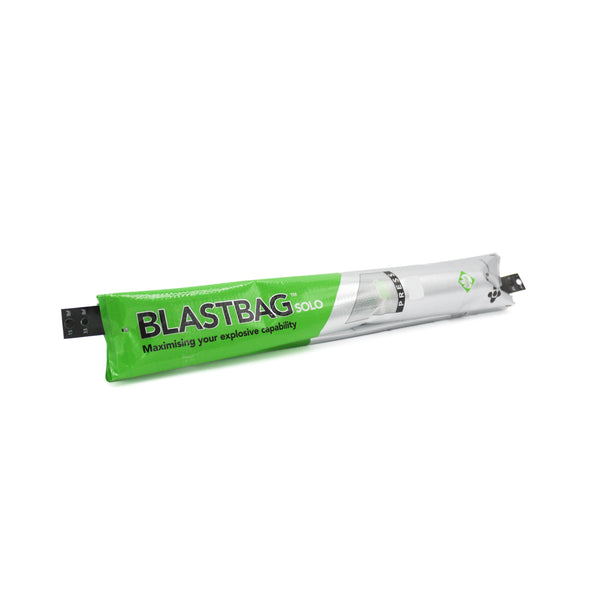
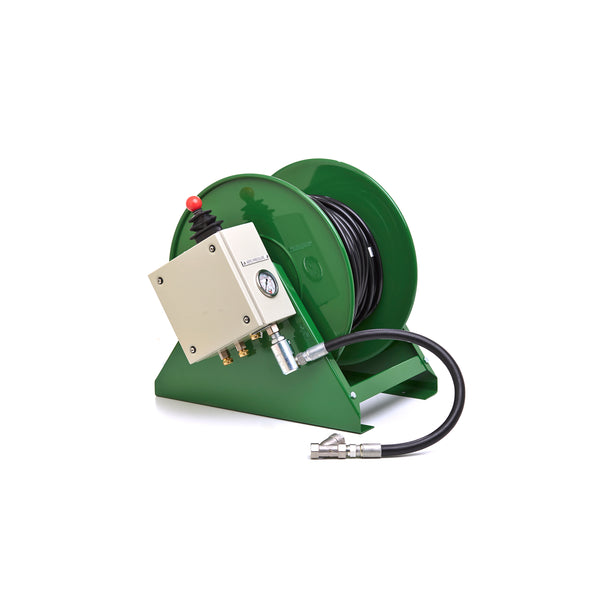
MTi GROUP's air decking range covers every product that creates or supports an air deck — inflatable BLASTBAGS™ in aerosol, chemical, and compressed-air models, mechanical stemming plugs for underground and tunneling, retention devices that hold the column where it belongs, and measuring tools that make sure the air deck sits at the right depth. Hole size coverage runs from 1.75 inches (45 mm) through to 12.25 inches (311 mm).
How Air Decking Works
Lower an inflatable bag or mechanical plug to your target depth in the blast hole, leaving a gap of air above the explosives. The device seals against the hole wall and creates an air pocket between the explosive column and the stemming. When the charge detonates, that pocket acts as a buffer — reflecting and redistributing the pressure pulse so the energy goes into breaking rock instead of venting up the column. You get better break from the same amount of explosive, or the same break from less.
What Crews Use Air Decking For
- Pre-splitting — sharper wall control on the final row
- Collar air deck — reduce explosive at the top of the hole, cut flyrock and air overpressure
- Mid-column deck — split the charge for better fragmentation
- Water barrier — seal the bottom of a wet hole so you can run ANFO instead of expensive blends
- Crack and void sealing — block off cavities and old workings before loading
- Column retention — hold emulsion in position in underground upholes
- Toe deck — control energy at the bottom of the hole
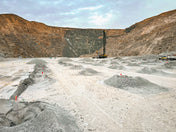
- Pit wall protection — reduce backbreak on final walls
Why Air Decking Cuts Explosive Cost
By replacing a portion of the explosive column with a sealed air pocket, you redirect detonation energy into the surrounding rock instead of wasting it pushing stemming up the collar. Documented results across MTi GROUP customers: explosive consumption reductions of 7% per hole on average, and up to 11% per hole at a Powder River Basin coal operation using BLASTBAG™ air decks. The cost of an air deck device is typically a fraction of the explosive savings on a single hole.
Surface, Underground, and Tunneling
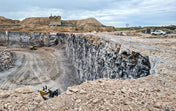
Different mining environments need different air decking products. Surface benches usually run aerosol BLASTBAGS™ (SOLO and EVO) for fast, single-operator deployment. Underground development and back-stope holes use compressed-air BLASTBAG™ AERO or chemical BLASTBAG™ ACE II when service air isn't available. Tunneling and narrow headings use mechanical plugs like MITIPLUG and SPRINGLOCK that lock into the hole wall without inflation. Retention devices and measuring tools support all of the above by making sure the column stays in place and the air deck sits at the correct depth.