



Pricing varies by volume and account type.
Get Your Custom Pricing — Free AccountAlready have an account? Log in here
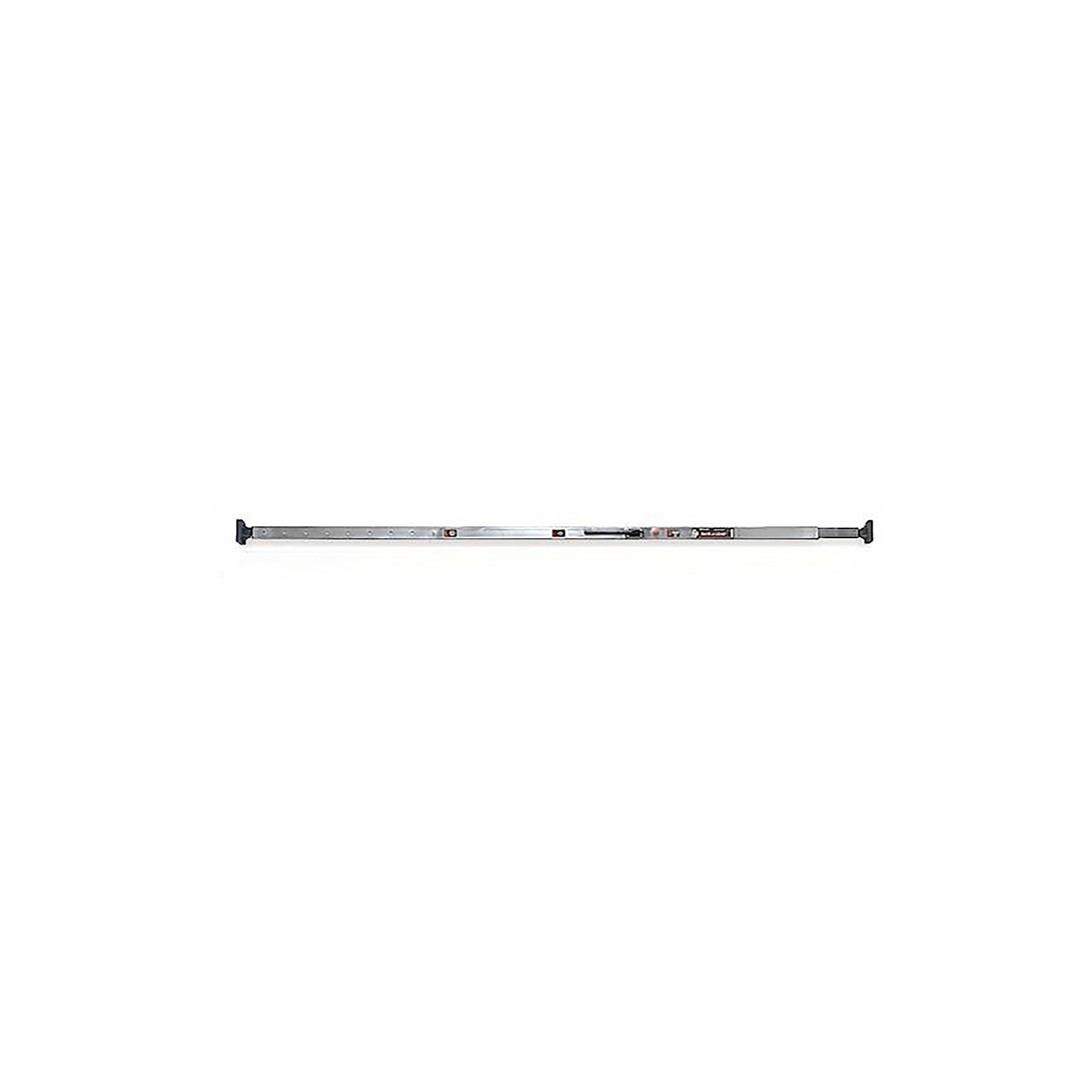
Save-A-Load is a hydraulic cargo bar built for mine site hauling. It extends wall-to-wall inside a trailer or a box truck and holds constant pressure — no ratcheting, no mid-shift re-tightening. Stainless steel hardware resists dust and corrosion, and is non-sparking. High-friction pads and articulating feet grip any trailer surface, including FRP.
MTi stocks two sizes to cover mine site fleets running a mix of vehicles:
- SL-10 Light Duty: 47"–75" for pickup trucks, vans, SUVs, and small enclosed trailers
- SL-30 Heavy Duty: 84"–114" for full-size box trucks, dry vans, and semi-trailers
Both use the same hydraulic pressure system and push-button release. Pick the size that fits the trailer width.
 Terms & Conditions


Non-Sparking
How It Works
Integrated Hydraulic Ram
Push-Button Release
Articulating Feet
High-Friction Pads
Works in Any Conditions
Box Vans and Trailer Boxes
Fits most enclosed box vans, box trucks, and trailer boxes. No anchor points, no track systems, no modifications required. Install against plywood, pressure-locks wall-to-wall.
ATF-Regulated Transport
ATF requires explosives to be transported in a wood-lined box with the load secured at all times. The plywood plus two-bar setup with Save-A-Load is the common method crews use to meet those requirements on every run.
Rough Haul Roads
Mine site access roads, grade changes, rough highways. The integrated hydraulic ram holds constant pressure through vibration and temperature expansion so the bar doesn't loosen between load-out and delivery.
Extreme Temperatures
Rated -35°F to 160°F (-37°C to 71°C). Tensions reliably in desert summers and winter hauls. Below -35°F, warm the bar above freezing before deployment — hydraulic fluid thickens in extreme cold.
Save-A-Load Load Locks Specifications
Size Chart
| Model | Hole Size (Imperial) | Hole Size (Metric) | Qty/Box | Item # |
|---|---|---|---|---|
| SL-10 Light Duty | 47"–75" | 119–191 cm | Each | 080-01502 |
| SL-30 Heavy Duty | 84"–114" | 213–290 cm | Each | 080-01056 |
General Specifications
Which Size Do I Need?
Measure the interior width of the trailer or vehicle at the point where you want the bar to brace.
If the width falls between 47 and 75 inches, you need the SL-10 Light Duty. This covers most pickup trucks, work vans, SUVs, and small enclosed trailers.
If the width falls between 84 and 114 inches, you need the SL-30 Heavy Duty. This covers full-size box trucks, dry vans, and semi-trailers.
If you run a mixed fleet, carry both.
SL-10 vs SL-30: Which One Fits Your Site?
| Feature | SL-10 Light Duty | SL-30 Heavy Duty |
|---|---|---|
| Item Number | 080-01502 | 080-01056 |
| Length Range | 47"–75" (119–191 cm) | 84"–114" (213–290 cm) |
| Best For | Pickups, vans, SUVs, small trailers | Box trucks, dry vans, semi-trailers |
| Construction | 1-1/4" square tube, stainless hardware | Mill aluminum, stainless hardware, heavy-duty coil spring |
| Pressure System | Hydraulic | Hydraulic with heavy-duty coil spring |
| Foot Design | Articulating, both ends | Articulating, both ends |
| Pad Type | High-friction | High-friction, works on FRP |
| Temperature Range | -35°F to 160°F | -35°F to 160°F |
| Release | Push-button | Push-button |
| Typical Use Case | Supply runs, small haul vehicles | Production hauling, bulk freight |
Pick the SL-10 If
You're hauling in pickup trucks, work vans, SUVs, or small enclosed trailers. Supply runs between the workshop and active work areas. Parts deliveries to remote pits. Tool transport. If your trailer width is 75 inches or less, the SL-10 fits.
Pick the SL-30 If
You're hauling in full-size box trucks, dry vans, or semi-trailers. Bulk blasting consumables moving from magazines to benches. Palletized supply runs. If your trailer width is 84 inches or more, the SL-30 fits.
Running a Mixed Fleet?
Many mine site fleets carry both. SL-10 for the pickups and small trailers, SL-30 for the box trucks and semis.
How to Install
Step-by-Step Installation
Load the Vehicle
Load explosives or regulated freight into the wood-lined box truck, box van, or box trailer as normal.
Position the Plywood
Place a sheet of plywood against the face of the load. The plywood spreads the bar pressure evenly across whatever you're hauling — cases, drums, pallets, totes. Use a sheet sized to cover the load face.
Install the Top Bar
Position a Save-A-Load horizontally near the top of the plywood, between the vehicle walls. Extend it wall-to-wall until both articulating feet contact the walls firmly. The hydraulic ram tensions automatically.
Install the Bottom Bar
Position the second Save-A-Load near the bottom of the plywood, same method. One bar high, one bar low — the common two-bar setup for securing loads in a wood-lined transport box.
Shake-Test Both Bars
Before the vehicle rolls, grip each bar and shake firmly. Both should hold solid. If either slips, reposition and re-extend. If the plywood shifts, reposition the bars.
Release at Delivery
Push the release button on each bar. Remove both bars and the plywood. Set them aside while you unload. After unload, reattach the plywood and both bars against whatever's left in the vehicle for the next leg.
Pro Tips
- Always use plywood (or equivalent sheet goods) with the two-bar setup. Pressing the bars directly against the load can damage cases or drums.
- Size the plywood to cover the full face of the load. A smaller sheet leaves gaps where items can shift.
- If you're making multi-stop deliveries, reattach the bars and plywood after every stop — the load changes with every unload.
- Rated to -35°F. In extreme cold, the hydraulic fluid thickens and response slows — warm the bar above freezing before deployment if possible.
- Wipe the hydraulic ram housing periodically to prevent grit from working into the seal.
- If high-friction pads harden, glaze over, or show cracks, retire the bar from service. Pad grip is what keeps the bar in place.
Storage & Safety
Inspect Before Each Use
Check high-friction pads for glazing, cracks, or hardening. Test the push-button release — it should engage smoothly. Check the hydraulic ram for leaks or sluggish response. Retire the bar if pads are worn or the ram doesn't hold pressure.
Keep the Hydraulic Ram Clean
Stainless hardware handles moisture fine, but mine-site dust can work into the hydraulic ram seal over time. Wipe the bar down periodically. Don't use solvents on the pads — plain water and a rag is enough.
Cold Weather Use
Rated to -35°F. In extreme cold, the hydraulic fluid thickens and response slows. Warm the bar above freezing before deployment if possible. Below -35°F, the ram may not tension reliably.
Storage
Store collapsed in a dry location between uses. No special ventilation or temperature requirements. Keep pads off oily surfaces — contamination reduces grip. In extreme cold, the hydraulic fluid thickens and response slows — warm the bar above freezing before deployment if possible.
Case Studies
View all-

How an Underground Gold Mine Stopped Losing Emu...
A gold mine in Ghana was losing bulk emulsion to fractured rock and groundwater. Here's the simple fix that eliminated the problem in one shift.
How an Underground Gold Mine Stopped Losing Emu...
A gold mine in Ghana was losing bulk emulsion to fractured rock and groundwater. Here's the simple fix that eliminated the problem in one shift.
-

Blast Optimization: A Field Guide to Better Res...
You plan the shot, load the holes — and the muck pile still doesn't match the effort. The fix usually isn't more explosive.
Blast Optimization: A Field Guide to Better Res...
You plan the shot, load the holes — and the muck pile still doesn't match the effort. The fix usually isn't more explosive.
-

38% Finer Fragmentation. 15% Less Oversize. Her...
A 90-million-tonne iron ore mine in South America was dealing with flyrock, oversize, and poor fragmentation. By adding Rockrivets to their stemming design, they cut P80 by 38% and reduced...
38% Finer Fragmentation. 15% Less Oversize. Her...
A 90-million-tonne iron ore mine in South America was dealing with flyrock, oversize, and poor fragmentation. By adding Rockrivets to their stemming design, they cut P80 by 38% and reduced...


Learn
View all-

What is Air Decking in Blasting?
Air decking can let you use less explosive while improving fragmentation, reducing flyrock, and controlling vibration. Here's how it works — and why more sites are making the switch.
What is Air Decking in Blasting?
Air decking can let you use less explosive while improving fragmentation, reducing flyrock, and controlling vibration. Here's how it works — and why more sites are making the switch.
-

How to Prevent Flyrock on Your Site
Flyrock can damage equipment, shut down sites, and can be fatal. One bad shot can end your project. You know what causes it. Fixing it is different.
How to Prevent Flyrock on Your Site
Flyrock can damage equipment, shut down sites, and can be fatal. One bad shot can end your project. You know what causes it. Fixing it is different.
-

Can You Diagnose Blast Issues By Simply Looking...
Learn how to read the muck pile after blasting to spot fragmentation, throw, and stemming issues before the next shot.
Can You Diagnose Blast Issues By Simply Looking...
Learn how to read the muck pile after blasting to spot fragmentation, throw, and stemming issues before the next shot.


